




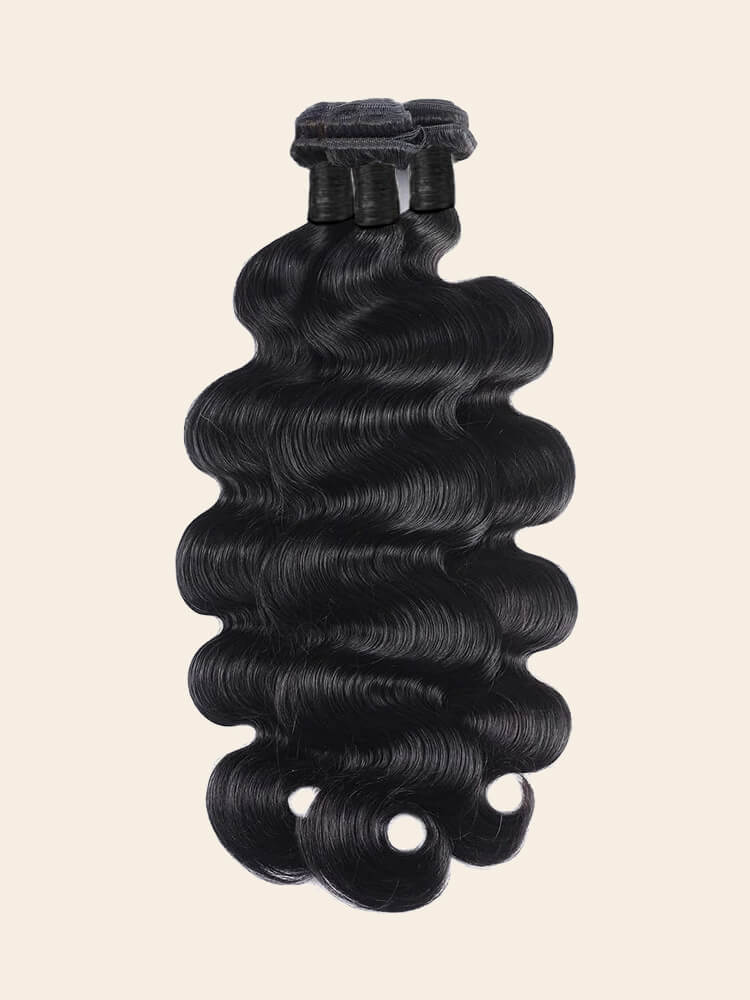
 Body Wave Bundles
 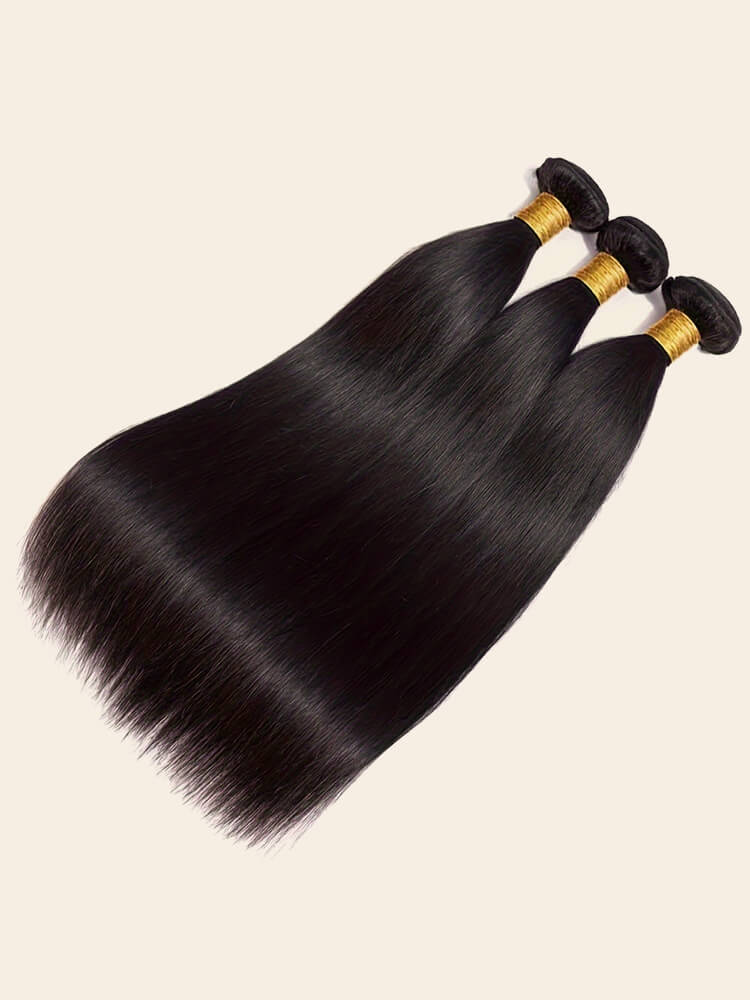 Straight Bundles
 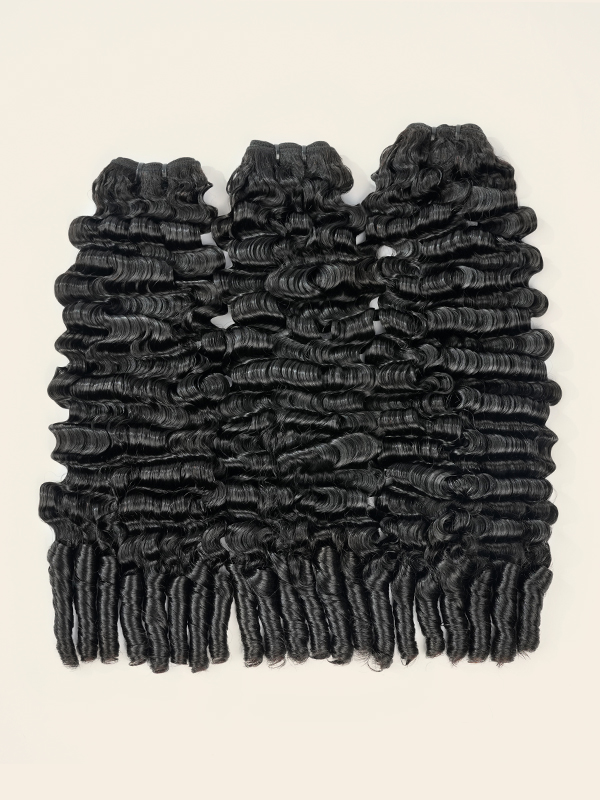 Curly Bundles
 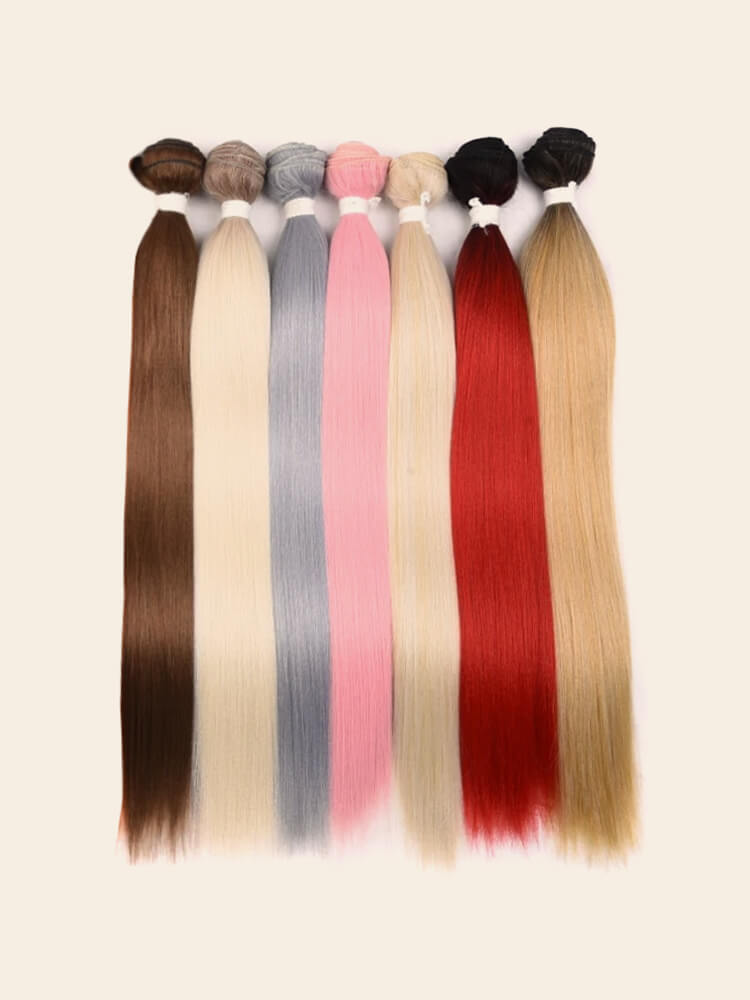 Colorful Bundles
 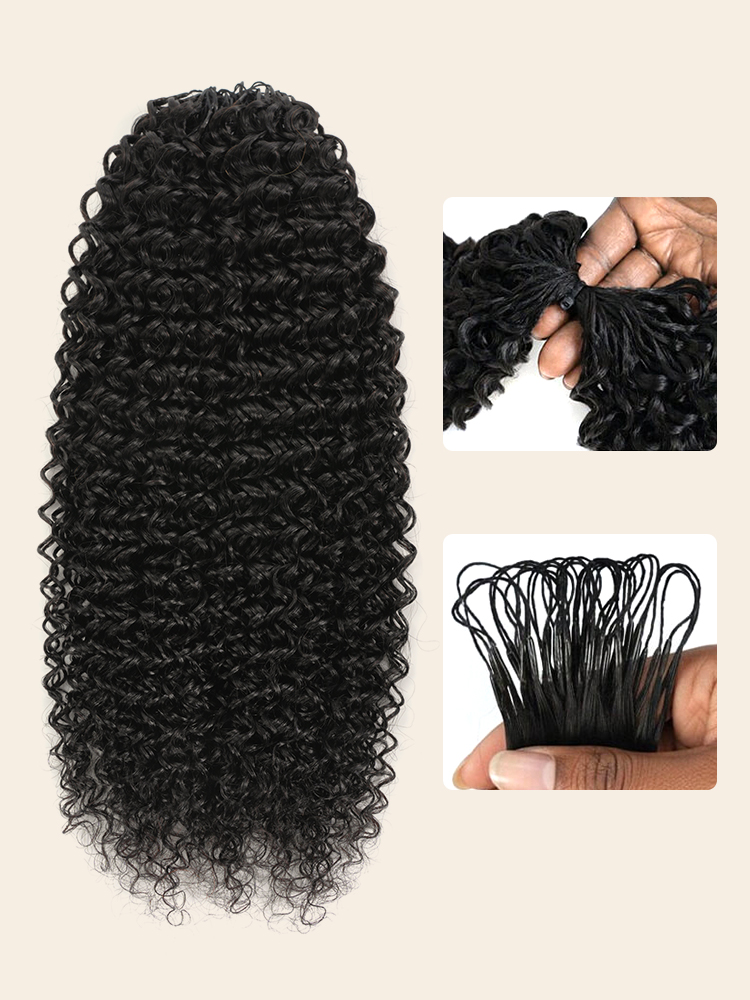 Hair Extension
  Premium Raw Hair
 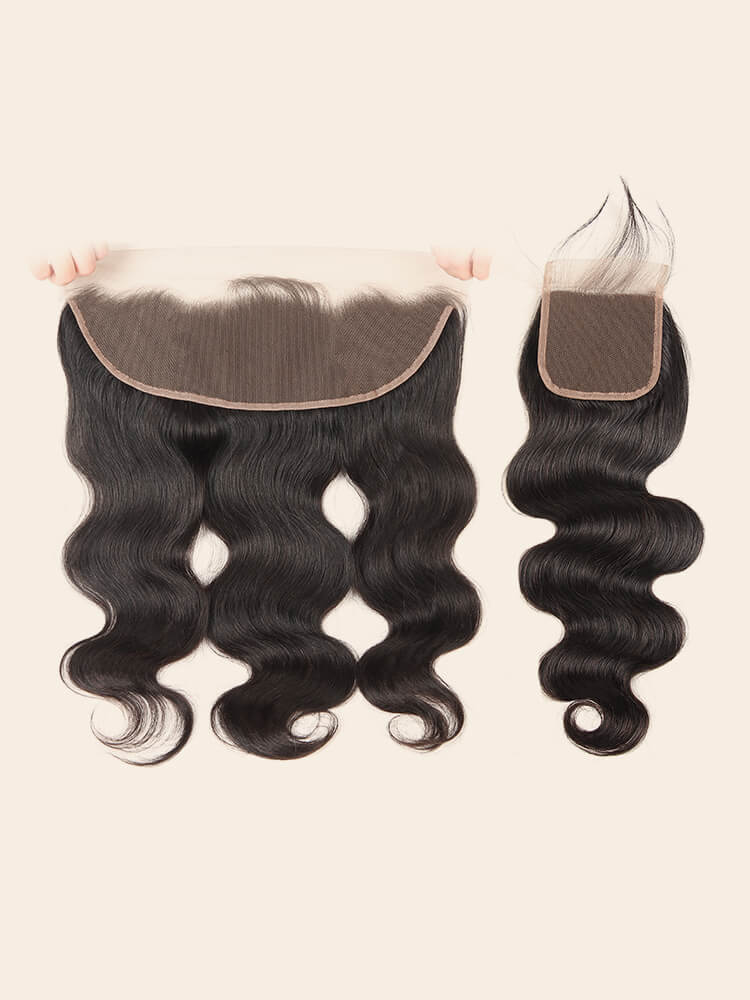 Closures / Frontals
 Ship In 24H
 Clearance Sale
 Flash Sale
 Wig Sets & Deals
 In-Person Stores
 Blogs
Blogs Invite & Save
 Track Order
 VIP Perks






2026 Global Wig Trends & Consumer Behavior Insights
Executive Summary
The global wig industry is at a crossroads, wedging fashion, technology and consumer identity. Once primarily a practical or medical set of necessities, wigs have become vital tools for identity play, aesthetic risk-taking and social signaling—particularly for Gen Z and other young digital-native groups.
In this white paper, you will get a comprehensive breakdown of the overall 2026 global wig market, including market size, market pace, consumer behavior change, product and style trend, retail and channel strategy change, technology-enabled innovation. It also discusses the impact of sustainability, ethical sourcing, and community-driven marketing on the brand's fortunes.
With insight into the key changing trends, this report explains how the leaders in today’s wig market are responding to trends, personalizing, expanding inclusiveness, and offering immersive experiences. To the extent they are able to deliver toward their products and services, and those brands that can best integrate these qualities — in product design, marketing architecture, omnichannel fulfillment, and innovation — they will be better positioned for sustainable growth, stronger consumer loyalty, and continued cultural relevance amid an increasingly complex global stage.
1. Global Market Landscape & Growth Outlook
The global wig market has grown from an obscure accessory segment to a vibrant, multi-billion-dollar industry driven by cultural, technological and consumer-related dynamics. By 2026, wigs are not just functional items anymore – they are now essential fashion and identity instruments, and the relevance of age, geography or occasion for usage is diminishing. The market is known for its fast-paced trend cycles, strong influence from social media and with the traditional beauty, digital content and lifestyle markets increasingly converging.
High disposable income, increasing penetration of digital platform, burgeoning online shopping and cultural change towards self-expression and experimenting with looks are some of the major factors driving the growth. Developing markets, especially in Asia-pacific, are driving significant growth as young, digital-first consumers take to wigs not only as fashion accessories but also as social media tools, cosplay and content creation.
At the same time, in the matured markets such as North America and Europe, the market sees premiumization with consumers who look for high quality material, realistic design and ethic sourcing. The combination of these growth trends points to a market that is both intensely competitive and more complex, demanding that brands develop speed, agility and insight-driven approaches to capturing opportunity.
1.1 Global Market Size Evolution (2016–2026)
In the last ten years, the global species wig and hair extension has been transformed by the structure change more than any in the beauty and personal care industry. It's no secret that what was a small niche market for practitioners driven by medical necessity, theatrical use, and convenience has grown into a mass-market lifestyle and fashion business.
Growth from 2016 to 2019 was consistent but slower, as it was predominantly related to medical needs, use in salons, and professional styling services. But then in 2020, a growth curve suddenly changed. A digital acceleration in the pandemic era, combined with social media's explosive influence on personal aesthetics, changed consumer behavior for good. By 2023, wigs had made mainstream consumers into day-users in the fashion lexicon.
The market is predicted to maintain a fast growth rate over the coming three years, from 2023 to 2026, attributable to the following three driving forces:
l Fashion normalization of wigs as everyday accessorizing
l High-frequency trend cycles powered by the social platforms
l Growth of d-commerce and D2C opportunities
Unlike traditional beauty products with seasonal replacement cycles, there is now a continuous consumption cycle in the wig industry where consumers purchase more than one unit every year to express their growing personal aesthetics. This has dramatically impacted revenue predictability, inventory planning and product development strategies for the entire industry.
1.2 Industry Value Chain & Profit Structure
The modern wig industry operates through a complex but increasingly integrated value chain, consisting of:
Raw Materials → Manufacturing → Brand Development → Distribution Channels → End Consumers
Raw Materials & Manufacturing
At the base of the value chain, manufacturers source human hair and synthetic fibers from global suppliers. Advances in fiber engineering and blending technology have allowed producers to create high-realism alternatives to human hair at lower cost, enabling mass-market scalability.
Manufacturing capabilities now compete on three dimensions:
l Speed of product iteration
l Consistency of quality
l Ability to customize at scale
Brand Development & Profit Pools
Largest profit concentration has moved upstream to brand ownership and customer connections. Although manufacturing is still margin-tight, the brand-led companies garner a substantial premium via:
l Design differentiation
l Marketing storytelling
l Community-building
l Customer loyalty systems
This structural shift mirrors the transformation seen in fashion and cosmetics, where brand equity increasingly defines competitive advantage.
Distribution & Consumer Touchpoints
Contemporary distribution is a far cry from traditional beauty retail. DTC platforms, social commerce, influencer storefronts and creator-led communities have turned into the primary revenue engines. Establishing control over your brand's narrative and customer data is now paramount for long-term profitability.
1.3 Regional Market Dynamics & Consumption Cultures
North America
North America is still the largest revenue market of the industry. The region also enjoys some of the highest levels of discretionary spending, seasoned influencer economies, and robust digital commerce infrastructure. Wigs are mainstream in fashion especially in the creator, entertainment and youth culture space.
Europe
European markets premium quality, ethical sourcing, and sustainability. Consumers are highly brand loyal and increasingly prefer to support brands that are good for the environment — both of which factors contribute to an ideal situation for premium and niche positioning.
Asia-Pacific
Asia-Pacific is the fastest growing regional market. High pace of urbanization, digital native consumer behavior and increasing income of middle-class are driving the adoption. Youth culture and entertainment industries provide an additional boost to the fashion-driven wig demand.
Emerging Markets
Africa and Latin America have closely aligned culturally with hairstyling traditions, promising immense long-term demand. Mobile commerce and influencer culture are driving market maturity in these regions.
1.4 Competitive Landscape & Market Concentration
The world of wigs is a crowded and somewhat fragmented space, with thousands of manufacturers, as well as new and emerging brands, vying for attention from different price points and country markets. But consolidation is gaining pace.
Important competitive changes are:
l Vertical integration of leading brands
l Strategic collaboration between producers and digital platforms
l Growing investment in own design and technological know-how
With competition more intense, brand identity, the speed at which trends are adopted, and consumer trust will increasingly dictate the leading player in the market.
1.5 Growth Risks & Macro Uncertainties
The industry has robust momentum but it also has a number of systemic risks:
l Raw material prices are turbulent
l Worldwide logistics disturbance
l The level of regulation affecting digital platforms and influencer marketing
l Increasing demands on sustainability and labor transparency
Brands that can navigate these uncertainties through diversification, planning based on data, and conducting business ethically are the ones that will do best during times of market turmoil.
1. Summary
The worldwide hairpiece market isn't just a niche accessory business—it's a rapidly expanding fashion economy. Shifts in consumer behavior, technology adoption and cultural perception are structural in nature, meaning they have permanently raised the economic bar for the industry. Companies that are in tune with these macro trends will be the ones to capture the next 10 years of growth.
2. Consumer Behavior Transformation
2.1 The Evolution of Wig Usage Scenarios
Historically, wigs were mainly bought for medical reasons such as hair loss from chemotherapy or alopecia or for work needs in theater and film. The practical utility overshadowed the motivator of purchase. However, in the past ten years, the consumer applications for these products have rapidly grown in lifestyle and fashion-related contexts.
Contemporary wigs are now part of everyday workflows of self expression and content creation, including:
Fashion experimentation: Customers wear wigs to alter their look on a temporary basis so they can test out extreme styles, colors, and hair types.
Social Media Storytelling: Many People Are now using wigs to build up their personal brand identity online.
Culture and Social Signaling: Wigs enable people to engage in aesthetic subcultures or trend movements without changing their natural hair.
Event and occasion styling Consumers sometimes have several wigs for different social events, seasons or work meetings, essentially a small wardrobe for hair.
This transition from necessity to fashion-led consumption has in turn resulted in consumers buying more frequently as well as a wider range of products – the very nature of demand in the market has thus been transformed.
2.2 Emotional Drivers & Identity Economics
The end user of today's wig is as influenced by her emotional and identity needs as she is by the functional ones. Wigs have evolved into implements of psychological empowerment and self-authored identity:
Confidence boost: Many users wear wigs to make themselves look more attractive or to conceal insecurities related to their appearance.
Identity exploration: Wigs let people play with on gender expression, cultural aesthetics or personal style stories.
Digital identity building: In today's social media-centric world, people use wigs to build and polish their online personas. Visual identity has become a currency, especially among Gen Z buyers.”
Those brands that tap into these emotional and symbolic motivations can produce more compelling marketing campaigns that present wigs not just as products but as identity-enabling tools.
2.3 The Psychology of Appearance Experimentation
Wigs offer a relatively risk-free option for experimentation. In contrast to permanent hair services, wigs enable consumers to experiment with colors, lengths, textures and styles without being locked into one look for a long period of time. This has led to behavioral patterns that are particular to the category:
Rapid style rotation: It's possible for consumers to have a wig collection for all of their different moods, occasions or content needs.
Responsive trends: Flickering fashion and viral social media challenges prompt sudden adoptions, at times just days after users discover looks online.
Creative self-expression: Customers treat wigs as a medium for visual storytelling, mixing hair aesthetics with fashion, makeup and the digital space.
That cycle of experimentation is what drives such repeat purchasing behavior and well-above average order sizes — particularly among trend-sensitive demographics.
2.4 Trust Formation & Decision Pathways
From the consumer perspective, it is natural that wig buying is a high-involvement product purchase (contrast with low-involvement purchases for most beauty products), since price, perceived quality, and social visibility are all high for wigs. Social proof rules the modern path to purchase:
Discovery: Shoppers stumble on goods through social media creators, peers or live streaming demonstrations.
Evaluation: Trust is heavily based on reviews, testimonials and before and after transformations.
Decision: Community validation plays a far heavier role in purchase than brand marketing.
Post-purchase sharing: After a purchase, customers often increase brand exposure by making their own content, creating a self-sustaining social loop.
Brands that tap into creator networks and community channels can drive faster adoption and lower the cost of customer acquisition.
2.5 Price Sensitivity & Value Perception
While traditional beauty segments tend to commoditize on price, the perception of value in the wig market is very much about more than just that:
Visual and emotional return: Realistic textures, attractive colors and styles that make consumers feel confident are among the factors that consumers say they are prepared to pay a premium for.
Experience-based pricing: Wigs that offer better fit, comfort or styling options have higher perceived value.
Trend-driven alignment: When a product mirrors current fashion or a viral digital aesthetic, it can charge more because having it implies status, or cultural literacy.
Price elasticity differs across consumer groups. Young consumers tend to be more value conscious, but Gen Z and fashion-conscious segments are prepared to pay up for quality and more trendy products.
2.6 Implications for Marketing & Product Strategy
"There are a number of strategic implications of the shift in consumer behaviour," said Cohen. This observation underscores the need for brands to align their strategies closely with evolving consumer expectations; in particular, several key focus areas have emerged as critical to success in the modern wig market:
Product diversification: Brands need to provide different styles, colours and even textures to accommodate the experimental nature of the shopping trip and the strong desire to stay current with trends.
Fast pace of trends: Very short product cycles that are able to capitalize on social media virality are a must.
Community involvement: Creator collaborations, social proof, and brand/user generated content = winning marketing.
Emotional positioning: The messaging should focus on identity empowerment, confidence, and personal expression, rather than just function.
Up until now, consumer behavior has been, in a way, reactive to product innovation, channel strategy and brand story telling but, in today's modern wig industry, those elements are being dictated by the consumer.
2. Summary
Consumer purchase in the wig market has shifted from being based on practical use to fashion, identity, and emotional utility. Social media, fast-paced trend cycles, and consumption based on identity have transformed how products are developed and marketed. Those brands that best understand the psychology, emotional motivators, and social factors of their consumers will achieve the highest engagement and longest-term loyalty.
3. Gen Z & the Fashionization of Wigs
3.1 Gen Z Consumption Philosophy
Generation Z (born roughly 1997–2012) is now the largest consumer segment in the global beauty and fashion business. And for Gen Z, being visually appealing is part and parcel of identity and how they present themselves to the world:
Dynamic self-creation: Hairdos, including wigs, are implements with which to write and revise one’s life story. Consumers change colors, lengths, and textures so often that they create a “living” identity that is changing every week, sometimes every day.
Genuine and relatable: products with which Gen Z can align their own beliefs and identity (think: inclusive, sustainable, socially responsible). They lend themselves highly to cultural relevance which in turn allows for more self expression and those types of products get adopted very fast.
Visual storytelling: "Hair, like your clothes or accessories, is a way to communicate how you are feeling, culturally aligned, or your aesthetic identity within your friend group, but now you share that with your online community.
So wig brands have to get this identity-driven thinking right. Products are no longer measured by quality or utility alone but by their ability to enable self-expression, keep up with trends and act as social signals.
3.2 Social Media as Trend Engine
Social platforms are the primary catalyst for Gen Z wig adoption. Platforms such as TikTok, Instagram, and Snapchat have shifted trend creation from centralized fashion authorities to peer-driven, real-time micro-trends:
Rapid trend cycles: Viral challenges or celebrity hair moments can trigger immediate demand spikes within days.
Content-driven purchasing: Before-and-after transformation videos and styling tutorials directly influence consumer choice.
Platform-native commerce: Social commerce tools allow Gen Z to purchase within the same ecosystem where trends are discovered, collapsing the traditional discovery-to-purchase timeline.
Brands that fail to engage social media as a trend-first communication channel risk irrelevance in this demographic. Speed, authenticity, and visual storytelling define competitive advantage.
3.3 The Creator Economy & Wig Demand
Gen Z isn't just a consumer cohort, it's a creator class. The emergence of the creator economy has turned wigs from luxury fashion accessories into production necessities:
Visual content production: Influencers, streamers and TikTok artists rely on wigs to keep a diverse personal brand, allowing for multiple visual shifts for content production.
Co-creation potential: Brands partnering with creators on limited editions or trendy styles experience increased engagement and conversion.
Peer amplification: The popular content created by influential Gen Zers acts as social proof, motivating followers to adopt those trends.
For brands, the upshot is that creator collaborations aren't just a nice-to-have marketing tactic—they're a fundamental driver of growth.
3.4 Community Culture & Aesthetic Tribes
Gen Z coalesces into micro-communities or aesthetic tribes, each with distinct visual and cultural signifiers:
Visual subcultures: Groups like E-girls, soft aesthetics, K-pop inspired fans or digital cosplayers have an impact on hair color, styles and how often wigs are worn.
Peer validation: Instead of being pushed through traditional advertising channels, trends are validated — and spread — through peer networks.
Cultural capital: Having the right styles and being part of aesthetic communities is a source of status and recognition.
Brands that recognize the importance of “tribal distinctions” can create even more effective product differentiation, marketing campaigns that speak directly to passionate niche groups, and greater loyalty and advocacy.
3.5 Speed, Flexibility & Trend Responsiveness
Gen Z Consumer is velocity driven. Traditional product cycles are too slow to tap into this market:
Rotates products regularly: With so many consumers have more than one wig at a time to partake in fleeting trends.
Fast style experimentation: How Quick adoption and discard patterns have led to high turnoverrate-inventory planning must consider this.
Timely product launches: Brands that have proven to be successful tend to monitor social trends in real-time and quickly launch related products — sometimes days or weeks after a trend is identified.
You need to be operationally agile, listen to what’s being said socially in real time, and have supply chains that are flexible — or you will not be relevant to this audience.
3.6 Future Consumers — Gen Alpha Signals
Looking ahead, Gen Alpha (born 2010 and later) will inherit this digital-first, identity-centric consumer mind-set:
Digital-native fluency: They want experiences that seamlessly bridge the online and offline worlds, and they are comfortable playing with their visual identity at a very young age.
High aesthetic literacy: Constant exposure to social media, gaming and digital storytelling fosters a refined palate and swift trend adoption.
Impact on household consumption: For now minors, Gen Alpha already influences what their family buys, and the kids are poised to lead the pack in trying premium or trend-led wigs.
Brands that establish early starts with Gen Alpha, and retain them, can own the future.
3. Summary
Gen Z has turned the wig industry in a identity-driven ecosystem rather than commodity-focused one. Social media, creator culture and aesthetic tribes are fueling demand while speed, flexibility and authenticity define brand relevance. The emergence of Gen Alpha suggests that the trend-chasing, digital-first market will continue to accelerate, with industry leaders being those who can best and most quickly respond in real time.
4. Product, Style & Color Trends 2026
4.1 Global Color Forecast System
Hair color isn't a fixed decision; it's a primary form of aesthetic expression. In 2026, there are three major streams going in the wig colors market:
Natural Foundations: Soft browns, rich black, caramel hues, and ash tones are here to stay. Such colors are suitable for daily-wear and work-place use, which means that these mainstream buyers will never stop demanding such products.
Metallic & Elevated Neutrals: Silver, platinum, and pastel-blended greys embody the pursuit of modern elegance, often paired with balayage or ombre to produce a refined, understated appearance.
Expressive Fashion Tones: Lavender, copper, teal, emerald and neon highlights are popular among youth culture (especially Gen Z customers) looking for bold visual identity and who want to participate trending.
Brands that couple predictive color analytics with seasonal trend forecasting are going to win early adopters within the trend-sensitive segments. Experimenting with color leads to several purchases for one consumer in one year, thus upping the lifetime value immensely.
4.2 Style Silhouettes & Design Languages
Hair silhouettes are undergoing varied updates with nostalgia and outer space vibes:
Y2K comeback: Flattened ends, low-layered bobs and curtain bangs are reminiscent of early-2000s pop culture aesthetics.
Contemporary Minimalism: Sophisticated straight styles, clean bobs and geometric lines embody contemporary minimalism and are seen in professional or runway looks.
Sculptural & Artistic Styles: Take-out shapes, over-exaggerated curls, and voluminous designs to please digital creators and trend-led customers.
Multi-functional Styles: Convertible wig or modular wig let the wearers change the length, the volume and the parting on different occasions, which promote regular wearing and the trend flexibility.
A lean and agile manufacturing strategy is required to keep up with the turnaround in both trend relevance and silhouette proliferation-inspired inventory rotation.
4.3 Texture & Inclusivity Revolution
The industry has moved on from the one-size-fits-all model. Texture inclusivity is a must-have baseline for 2026:
Straight & Sleek: The standard in every market for day-to-day use and content production needs.
Wavy & Curly: Provides a naturalistic density with much more dynamic appeal; primarily utilized in fashion or social media.
Coily & Afro-textured Wigs: Authentic diversity and inclusion in the Wig Industry.
Hybrid & Mixed Textures: Mixed texture results in multi-function styling to fulfill the needs of adventurous clients.
Texture-inclusive brands enjoy higher loyalty from culturally diverse consumers, unlock new pockets of underserved customers and are more aligned with broader diversity and equity trends.
4.4 Occasion-Based Styling Economy
Wigs are not being bought just for general use anymore, pulls from event based demand is becoming a crucial category shaper:
Daily Lifestyle: Light, breathable wigs designed for comfort and ease of wear in the workplace and daily life.
Content Creation & Social Media: High-fidelity and visually impactful wigs that work on camera.
Events & Celebrations: If it's a wedding, party, holiday or festival, Resin Stock's bold and intricate designs are perfect for complementing your outfit.
Alignment with Seasonal Trends: Cultural or fashion calendars at least partly driving the styles motivate repeated seasonal buying.
This all-in-one adoption package is versatile and high-end in design, Our multi-purpose model continues to highlight,you can expect repeated Call To Action engagements Per Consumer every Year!
4.5 Technology-Driven Design Evolution
Advances in wig making and cap construction are becoming more technology-based, which increases realism and consumer satisfaction:
HD Lace & Invisible Scalp Systems: Create seamless, natural hairlines and scalp appearances.
Breathable & Flexible Caps: Provide comfort for extended use and flexible for different head sizes.
Adjustable Fit & Modular Design: Interchangeable panels or adjustable length allows to change length and style to fit the season or event!
Smart Integration: R&D for sensors, AR-fitting applications, and AI-driven style previews are emerging that aim to decrease return rates and increase confidence when purchasing online.
Technology enhances the experience for the consumer, but it also enables brands to charge a premium and stand out in saturated markets.
4.6 Implications for Product Strategy
For labels with leadership ambitions in 2026, the product strategy must combine:
Color agility: The speedy conversion of trend colors into sellable stock.
Style modularity: Allowing consumers to change up looks without buying full outfits as frequently.
Textural variety: Fulfilling world inclusiveness criteria and promoting visual experimentation.
Technology adoption: Combined with high realism and comfort to enable premium positioning.
In the end, wigs are transitioning from utilitarian commodities to expressive, tech-enabled fashion tools, requiring trend sensings, swift iteration and a multiplicity of SKU approaches.
4. Summary
The 2026 product, style and color trends are at the nexus of fashion, tech and social media. The global wig market is witnessing the emergence of: Bold color forecasting, versatile silhouettes, inclusive textures, occasion-based styling and innovative construction — brands that master those elements will dominate the quickly evolving global wig market. Trend sensitivity, technology adoption, and inclusiveness are now non-negotiable aspects of strategic product management.
5. Channel & Retail Reinvention
5.1 Digital Commerce Ecosystem
The wig industry is increasingly digitally native. Online sales now account for the majority of purchases in key markets, driven by:
E-commerce platforms: Marketplaces like Amazon, Shopify-powered DTC stores, and regional platforms provide scalable global reach.
Social commerce: Platforms such as TikTok, Instagram Shops, and Snap Store enable instant discovery-to-purchase flows, reducing friction for impulse or trend-driven buying.
Live streaming & interactive selling: Influencer-led live events demonstrate products in real-time, enhancing trust and accelerating conversion.
Subscription & rental models: Some brands offer recurring wig shipments or rental programs, aligning with Gen Z’s desire for rapid trend rotation without full ownership costs.
Brands must prioritize social-first digital experiences, integrating trend-driven content with frictionless checkout to capture attention and convert interest into revenue efficiently.
5.2 Offline Retail as Experience Hub
But in physical retail still matters:
Experiential spaces: Showrooms and pop-up stores provide fittings, touch-and-feels trials and styling sessions - things digital channels simply can't offer.
Customization services: Offline stores provide custom color, length and texture options, which helps in attracting more customers for premium products.
Brand immersion: The physical store allows one to live the brand story and the community culture, and so develops deeper emotional connection.
Hybrid models: Click-and-collect services, augmented reality try-ons, live classroom tutorials combine the convenience of online shopping with the experience of offline shopping, improving omnichannel performance.
Physical retail is no longer just a sales channel—it is a strategic brand touchpoint for building trust, educating consumers and engaging your community.
5.3 Omnichannel Customer Journey Design
The expectation of modern wig consumers is that connecting the dots from dot com to dot physical store is a seamless experience:
Discovery: Mainly on social media, influencer content, and search.
Evaluation: Decision-making is influenced by virtual try-ons, AR filters, video tutorials, and community reviews.
Purchase: Multiple convenient fulfillment options, such as checking out online and picking up in-store or receiving regular deliveries via subscription.
Post-purchase engagement: Loyalty programs, community forums, and incentives for sharing content help bolster brand relationships.
An omnichannel design allows the retailer to create a consistent, personalized and emotionally connected experience at every touchpoint, from trend discovery to unboxing, that encourages both loyalty to the brand as well as repeat purchase frequency.
5.4 Community Commerce & Loyalty Architecture
Community-led commerce will be fundamental to 2026 marketing and selling strategy:
Micro-community activation: Brands nurture niche aesthetic communities (e.g. K-pop fans, digital cosplay, E-girl/boy microtribes) to drive P2P recommendations.
User-generated content: Having consumers make tutorials, unboxing videos, or style transformations increases the level of authenticity and helps the concept go viral.
Reward trust ecosystems: Playful rewards systems, early access to limited-run collections and exclusive content for members promote repeat purchases and long-term engagement.
Design by feedback: An active community gives input to design, which mitigates market risk and keeps the product trend relevant.
It is a process of marketing-sales- R&D, and the brand becomes the “platform” instead of a “product vendor.” This effectively enhances retention and customer lifetime value.
5.5 Strategic Implications for Brands
Retail and channel strategies need to evolve to incorporate velocity, interactivity, and consumer-centricity:
Digital-first mentality: Your acquisition strategy should focus on social commerce, influencer partnerships and AR try-ons.
Experiential off-line spaces: Physical spaces serve as brand hubs for education, customization and community activation.
Omnichannel Orchestration: Deliver a seamless brand experience across all your platforms to ensure messaging consistency and engage your audience.
Community-centric growth: Treat consumers as co-creators and advocates to build stronger loyalty, reduce marketing spend and accelerate trend adoption.
Brands that bring the digital agility of speed together with the offline experience and community involvement will reign supreme in global markets as well as in regional markets.
5. Summary
In 2026, competitive advantage is defined by channel innovation in the wig industry. E-commerce, social commerce and experiential retail work in tandem as a whole omnichannel ecosystem. Engagement with community, partnerships with influencers, and seamless digital-to-physical execution are at the heart of capturing these trend-hungry, highly-engaged consumers. Those brands that can deliver platform-style commerce strategies with the right balance of nimbleness, agility and authenticity will best traditional retail models.
6. Technology, Sustainability & Innovation
6.1 Fiber & Material Science Breakthroughs
The wig market has been ushered into an era where “material science innovation” shapes the definition of premium. Advances in technology in fibers and textiles have created new opportunities for performance and aesthetics in equal measure:
High-Performance Synthetic Fibers: Modern synthetic fibers “capture the shine, texture and movement of natural hair” and are nearly indistinguishable from human hair. They also prevent frizz, color fading, and tangling.
Human hair blending: Hybrid wigs are crafted with a blend of natural and synthetic fibers, allowing for durability, styling versatility and realistic look at an affordable price.
Thermo-reactive fibers Heat-friendly synthetic fibers can be styled with low temperature tools without affecting the fibers strong hold.
Moisture wicking & Comfort enhancing fibers: New technologies increase scalp breathability, decrease itch, and improve wear time, especially for heavy or full-cap wigs.
Brands that harness material science innovation can command a premium, deliver stronger retention, and enable multi-purpose u.sage, particularly in content creation and fashion-forward contexts.
6.2 AI, Data & Personalization Systems
Artificial Intelligence (AI) and data analytics are revolutionizing the way wigs are marketed, distributed and customized:
Fit analysis powered by AI: Consumers are able to scan the shape of their head and face to get personalized recommendations on the size, style, and cap type of the wig.
Virtual try-ons & augmented reality: AR applications allow customers to try on different styles and colors, helping to decrease return rates and boost buyer confidence.
Trend prediction algorithms: AI scans social media, influencer posts, and user engagement to predict emerging color and style trends.
Customised product recommendations: Competitive cross-selling and product recommendations (best sellers, similar to, shop the look).
These innovations deliver seamless buying experiences, improve conversion rates and empower highly personalised marketing campaigns, catering to the Gen Z and Gen Alpha demand for immediacy and customisation.
6.3 Sustainable Production & Ethical Sourcing
Sustainability is not optional anymore; it is integral to brand trust:
Eco-friendly fibers: Recycled, biodegradable or sustainably sourced synthetic fibers help to lessen their impact on the environment.
Humane sourcing of human hair: Supply chain transparency guarantees labor standards, traceability and responsible sourcing.
Water and energy efficiency: State-of-the-art production processes reduce water and energy usage and carbon emissions.
Sustainability communicated to consumers: Brands are now weaving sustainability into product storytelling to engage and further loyalty with eco-conscious shoppers.
Sustainable innovation can be a source of differentiation, can enhance the perceived value of the product and can help to limit reputational risks in a market of increasingly mindful consumers.
6.4 Circular Economy & Brand Responsibility
Circular economy principles are being adopted by top brands:
Recycling programs: The program accepts wigs at end-of-use for refurbishment or to recover materials.
Return-to-origin system: Encouraging customers to bring back used wigs, exchange for a new one, or donate it to close the lifecycle loop.
Material traceability and transparency: Transparency about sourcing, fiber origin and labor practices builds trust.
Sustainable packaging: Packaging that is biodegradable, can be reused or is minimalistic best matches environmental objectives, as well as enhances brand perception.
Circular practices are not only better for the environment, but they also help drive stronger brand affinity among environmentally minded consumers, and that includes younger generations for whom sustainability is a key decision-making criteria.
6.5 Strategic Implications for Innovation
Technology and sustainability integrated within the brands create layered competitive advantages for them:
Differentiated Product: Material, construction, and personalization powered by AI enhance perceived value.
Consumer Retention: Sustainability efforts boost emotional connection and consumer advocacy.
Efficiency of Operations: Returns are diminished, inventory is managed more effectively, and responsiveness to trends is improved through use of AI and automation.
Market Leadership: By being the first to implement a tech-forward, eco-conscious business model, so brands establish themselves as industry leaders.
At the convergence of innovation and ethics, the new generation of wig leaders will arise. The companies that do the best across technology, personalization, and sustainability will control the premium and mass markets.
6. Summary
Tech and sustainability aren't at the edges anymore—they're the center of gravity for brand growth and consumer engagement. High-performance fibers, AI-based personalization, and circular-economy approaches allow brands to create better experiences that also meet changing ethical and environmental priorities. In 2026 innovation characterizes product excellence and enduring market leadership.
7. Strategic Playbook for Wig Brands
7.1 Product Strategy & Speed Management
In a fast-moving trend cycle market and Gen Z-driven consumer demand, product strategy must be nimble:
Modular product design: When wigs come with interchangeable panels, adjustable lengths, or mixed-and-matched textures, customers can customize their look without having to replace the entire wig is needed.
Accelerated product lifecycles: Leading brands are working to compress the time from trend spotting to launch from months to weeks in order to react instantly to social media virality.
SKU rationalization: Striking a balance between essential core staples and high turnover seasonal or trend products will help reduce excess stock and improve your profitability.
Incorporate trend intelligence: You should be regularly scouring social media, influencer content, and Fashion Weeks as these will all influence your decisions around style, color and silhouettes.
A successful product strategy turns wigs from a basic product to a fashion-forward, experiential product that fit the consumer's identity and content creation needs.
7.2 Marketing Architecture for 2026
Today's wig brands operate as media-powered ecosystems:
What to expect from the social-first campaigns: Focus on visual storytelling through TikTok, Instagram, and YouTube Shorts.
Creator collaboration: A co-creation with influencers helps ensure trend relevance, authenticity and speedy amplification.
Content-commerce synchronicity: Tie inspiration to purchase effortlessly with in-app checkout or augmented reality try-ons.
Community activation: Develop (and leverage) micro-communities that engage, create and evangelize the brand thereby driving stronger loyalty and lower marketing acquisition cost.
The marketing industry in 2026 is more “platform orchestration”than“advertising,” in which“the brand is the platform on which consumers self-express and discover aesthetics.”
7.3 Organizational Capability & Talent
The operational excellence is now multidisciplinary:
Design + Trend Analytics Teams: Merge artistic vision with analytical insights to forecast trends.
Digital Commerce Specialists: Provide a seamless user experience for social commerce, DTC platforms and AR/VR solutions.
Community & Content Managers: Grow brand tribes, drive user-generated content and keep engagement cycles alive.
Sustainability & Ethics Specialists: Manage the integrity of the supply chain, sourcing of materials, and circular economy initiatives.
The winners will be those that append these new capabilities to operate faster, smarter and deliver more powerful brand experiences than the traditional fashion or beauty company.
7.4 Investment Priorities & Risk Management
Brands need to invest their resources strategically in order to ensure growth and minimize the risks of the industry:
Technology investment: Retailers are increasingly adopting AR try-ons, AI style prediction, virtual fitting tools, which help to reduce returns, increase customer satisfaction, and allow for personalization on a large scale.
Trend responsiveness: With real-time data analytics platforms, brands can spot nascent aesthetics and capitalize on trends in weeks, not months.
Sustainability and ethical sourcing: Transparent supply chains, recycled and sustainable materials and good-for-the-earth processes help build brand cred.
Community and creator partnerships: Building an enduring presence from MNI (the “micro-influencer nation” through content coative work generates organic uplift and trend acceleration.
Risk management: Revenue and brand protection are safeguarded through risk mitigation associated with supply chain disruption, raw material volatility, and regulatory compliance.
Ensure Strategic Coordination: Product, marketing, talent, and capital must be strategically aligned to provide the resilience, growth, and market leadership.
7.5 Future-Proofing Brand Strategy
Brands that win in 2026 and beyond will:
Be platforms: Not just selling wigs but facilitating and aesthetic experimentation, content generation and community interaction.
Focus on agility and speed: Faster cycles, more modular products and more responsive supply chains needed to keep up with trends.
Ethics Become Aesthetics: Sustainability and inclusivity are essential rather than optional.
Use data to personalize: AI-driven insights help conversions, retention and premium engagement.
Trend agility, digital-first marketing, cross-functional capability and ethical positioning will collectively define the strategic blueprint for future leaders.
7. Summary
This section outlines the blueprint for success: balancing rapid product cycles with social-first engagement and ethical growth. In an industry defined by viral trends and digital connectivity, the winners will be those who prioritize speed without sacrificing brand integrity.
8. The Next Decade Outlook
8.1 Industry Trajectory 2026–2035
The global wig industry is poised for sustained growth over the next decade, driven by aesthetic, technological, and cultural factors:
Continued market expansion: CAGR projections indicate consistent growth across North America, Europe, and Asia-Pacific, with emerging markets providing incremental opportunities due to rising digital adoption and expanding middle-class purchasing power.
Diversification of consumer segments: Beyond Gen Z, older demographics increasingly adopt wigs for fashion, lifestyle, and convenience, broadening the addressable market.
Integration with broader beauty and fashion ecosystems: Wigs will increasingly intersect with skincare, makeup, and apparel, offering holistic aesthetic solutions.
Digital-first dominance: Social media, AR/VR, and AI-driven personalization will remain core to industry growth, enabling brands to scale influence and trend responsiveness globally.
By 2035, wigs are expected to transition from supplementary fashion items to essential self-expression tools, deeply embedded in daily life and digital culture.
8.2 The Future Consumer
Future consumers, including Gen Alpha and late-stage Gen Z, will exhibit distinct characteristics:
Hyper-digital fluency: Expect instant access to trends, seamless online-to-offline integration, and comfort with immersive technologies like AR/VR.
Heightened aesthetic literacy: Early exposure to digital content and global trends cultivates sophisticated taste and rapid trend adoption.
Demand for personalization: Consumers will expect wigs tailored not just for size or color, but also for personal style, lifestyle, and content-creation needs.
Values-driven consumption: Sustainability, inclusivity, and ethical sourcing will be non-negotiable expectations rather than differentiators.
Brands that anticipate these expectations and embed personalization, ethical practices, and immersive experiences will capture long-term loyalty and cultural relevance.
8.3 The Cultural Meaning of Wigs
Wigs have become more and more indicative of identity, creativity and freedom:
Identity autonomy: Wigs enable wearers to construct, play with, and change their sense of self on demand, facilitating offline and online self-presentation.
Creative exploration: Wigs are creative tools, providing for artistry in everyday life, on social media and in performance.
Social signaling: Possession and styling signal allegiance to aesthetic tribes, cultural movements, or digital communities.
Empowerment & inclusivity: By championing a broad spectrum of textures, colors, and patterns, the brand democratizes beauty and it empowers individuals across cultures and genders.
The cultural significance of wigs means that development in the industry cannot be disconnected from social, digital and fashion ecosystems, making aesthetic, technological and ethical innovation paramount to success.
8.4 Strategic Implications for 2035
By the middle of the next decade, the distinction between "product" and "identity" will be completely blurred. For a wig brand to have staying power in 2035, strategic planning needs to evolve from seasonal product cycles to an always-on state of continual transformation. The champions of this age will not be the companies who merely produce the finest fibers, but who best operate at the confluence of bio-technology, digital self-expression, and radical transparency. These pillars represent the core strategic shifts that must be made to turn today’s market leaders into the cultural icons of 2035.
Trend prediction as survival: Brands should consistently monitor social, fashion and digital environments for micro-trends in order to keep up with culture.
Platformization of brand experience: Become product-centric to experience-driven ecosystems that bring commerce, content, and community together.
Circular economy adoption: Brands will need to be sustainable to be considered legitimate; pioneering eco-innovations is key.
Technology as the differentiator: AI, AR, VR and smart materials will allow for hyper-personalized and immersive experiences that shift consumer expectations.
To be successful in 2035 an organization will have to integrate the trend knowledge, I job ' digital-first ' strategies, the i phone innovation , and the ethical orientation of Type 8 in such a systemic way that it ensures they remain both commercially competitive and culturally relevant.
8. Summary
In the next ten years, wigs will grow to play a vital role in identity, self expression, and cultural engagement. The brands best able to synthesize speed, trend responsiveness, the digital consumer experience, sustainability, and inclusivity will dominate a market characterized by accelerated fashion cycles, immersive technological experiences, and environmentally/socially-conscious consumers.
Conclusion
The global wig market by 2026 is not just a beauty sector; it's the fusion of fashion, identity, technology and community that is leading to a new cultural economy. On every front addressed by this white paper—market landscape, consumer behavior, Gen Z impact, product innovation, channel shifts, technology disruptions, and long-term outlook—one strategic truth consistently bubbles up to the surface: To win in this market, you must be fast, personalized, inclusive, and culturally relevant.
"Competitive advantage belongs less and less to the‘bigness’of the brand, and more and more to the adaptiveness, consumer-centricity and insight- mindedness of the brand." In an age of quick trend cycles, algorithm-driven discovery and emotionally-driven consumption, competitive advantage is no longer held by the biggest brands, but rather the most agile, consumer-centric and insight-led among them. Knowing how to decode cultural signals into product development, match storytelling with identity development and weave technology into frictionless consumer experiences will delineate market leaders from followers.
And so, the brands that are able to successfully navigate and manage this complex ecosystem—that are simultaneously as creatively dynamic as they are operationally excellent, as innovatively forward as they are authentically true—will not merely be the biggest players in the market, but will be the most instrumental in shaping the future of self-expression and digital aesthetics and global beauty culture. In the process, they will reimagine wig–not as fashion accessories, but as lasting tools for identity, empowerment, and creative liberation.
References
Statista Research Department. (2025). Wigs and Hair Extensions Market: Global Industry Analysis and Forecast (2024–2032). Statista Beauty & Personal Care Reports. Retrieved from https://www.statista.com/study/beauty-personal-care-industry-trends/
Deng, L., & Yu, D. (2024). Deep Learning in Computer Vision for Facial Morphology and Aesthetic Mapping. IEEE Transactions on Pattern Analysis and Machine Intelligence. Retrieved from https://ieeexplore.ieee.org/journal/tpami
Vargo, S. L., & Lusch, R. F. (2024). Service-Dominant Logic: Premises, Perspectives, and Possibilities in Digital Ecosystems. Cambridge University Press. Retrieved from https://www.cambridge.org/core/books/servicedominant-logic/209A04533083695275B26F6792348A91
McKinsey & Company. (2025). The State of Fashion 2026: Navigating the Fragmentation of Global Beauty. McKinsey Global Institute. Retrieved from https://www.mckinsey.com/industries/retail/our-insights/the-state-of-fashion
Chen, Y., & Wang, L. (2024). The Psychology of Digital Identity: How Gen Z Uses Fashion Accessories as Social Currency. Journal of Consumer Psychology. Retrieved from https://onlinelibrary.wiley.com/journal/15327663
Global Data. (2025). Global Apparel and Accessories Market Trends: The Rise of Synthetic Fiber Innovations. Retrieved from https://www.globaldata.com/reports/apparel-market-analysis/
Williams, R. J. (2024). Identity in a Box: The Sociology of Wigs in Gen Z Subcultures. Oxford University Press. Retrieved from https://global.oup.com/academic/product/identity-sociology-subcultures
Smith, A., & Lee, J. (2025). Sustainable Sourcing in the Global Hair Trade: A Lifecycle Analysis of Human vs. Synthetic Materials. Journal of Cleaner Production. Retrieved from https://www.sciencedirect.com/journal/journal-of-cleaner-production
Euromonitor International. (2024). Consumer Types in 2026: Breaking Down the 'Style Experimenter' Persona. Retrieved from https://www.euromonitor.com/article/consumer-types-and-lifestyle-trends
Grand View Research. (2024). Wig and Hair Extension Market Size, Share & Trends Analysis Report By Product (Human Hair, Synthetic). Retrieved from https://www.grandviewresearch.com/industry-analysis/wig-hair-extension-market
TikTok for Business. (2025). The 2026 Beauty Trend Report: From GRWM to Wig Transformation Virality. Retrieved from https://www.tiktok.com/business/en-US/insights
Gartner Research. (2024). The Impact of AR and VR Try-on Tools on Conversion Rates in the Fashion Accessory Market. Retrieved from https://www.gartner.com/en/marketing/insights/daily-insights/ar-vr-beauty-tech
Brown, M., & Davis, S. (2025). The Evolution of African American Hair Culture: Wigs as a Tool for Empowerment and Expression. Social Science Quarterly. Retrieved from https://onlinelibrary.wiley.com/journal/15406237
WGSN. (2025). Future Forecast 2026: Global Color and Material Directions for Hair Accessories. Retrieved from https://www.wgsn.com/en/beauty/insights/trends
Hofstede, G. J. (2024). Culture and Consumption: Regional Dynamics in the Asia-Pacific Beauty Market. SAGE Publications. Retrieved from https://sagepub.com/culture-consumption-asia
Sustainability in Fashion Council. (2024). The Ethics of Human Hair Sourcing: A Global Audit of Supply Chain Transparency. Retrieved from https://www.sustainablefashion.org/reports/hair-supply-chain
Zhang, X. (2025). Agile Supply Chains in the Fast-Fashion Wig Industry: Managing Velocity and Trend Volatility. International Journal of Production Economics. Retrieved from
https://www.journals.elsevier.com/international-journal-of-production-economics
Business of Fashion (BoF). (2025). The Creator Economy: How Influencers are Redefining the Wig Retail Experience. Retrieved from https://www.businessoffashion.com/reports/beauty/creator-economy-trends
International Journal of Cosmetic Science. (2024). Advances in Protein-Based Synthetic Fibers for Hair Replacement Applications. Retrieved from https://onlinelibrary.wiley.com/journal/14682494
Deloitte Touche Tohmatsu. (2025). 2026 Global Consumer Signals: Value over Volume in the Post-Digital Era. Retrieved from https://www2.deloitte.com/global/en/pages/consumer-business/articles/consumer-signals.html
Katz, E., & Blumler, J. G. (2024). Uses and Gratifications of Social Media: The Digital Persona in 2026. University of Pennsylvania Press. Retrieved from https://www.upenn.edu/pennpress/books/social-media-gratifications
Forbes Insights. (2025). Why the Direct-to-Consumer (DTC) Model is Dominating the Beauty Industry. Retrieved from https://www.forbes.com/insights/dtc-beauty-growth
Miller, D. (2024). Consumption and Its Consequences: The Materiality of Wigs and Extensions. Polity Press. Retrieved from https://www.politybooks.com/book/consumption-and-its-consequences
Journal of Retailing and Consumer Services. (2025). Omnichannel Orchestration: Connecting Physical Pop-Ups with Digital Communities. Retrieved from https://www.sciencedirect.com/journal/journal-of-retailing-and-consumer-services
Roberts, L. (2024). The Circular Economy in Personal Care: Recycling and Refurbishing Post-Consumer Wigs. Environmental Science & Policy. Retrieved from https://www.journals.elsevier.com/environmental-science-and-policy
Market Research Future. (2026). Global Digital Hair-Fitting Market Outlook: AI and 3D Scanning Technologies. Retrieved from https://www.marketresearchfuture.com/reports/digital-hair-fitting-market
Wired Magazine. (2025). The Science of the 'Invisible Scalp': How Engineering is Perfecting the Wig Lace. Retrieved from https://www.wired.com/story/beauty-tech-wig-innovation
Harvard Business Review. (2024). Community-Driven Growth: Lessons from the K-Pop Aesthetic Tribes. Retrieved from https://hbr.org/2024/05/community-growth-strategies
United Nations Environment Programme (UNEP). (2025). Microplastics and Synthetic Fibers: The Environmental Impact of the Global Wig Industry. Retrieved from https://www.unep.org/resources/report/synthetic-fibers-environment
Vogue Business. (2025). The Alpha Generation: Preparing for the Next Wave of High-Literacy Beauty Consumers. Retrieved from https://www.voguebusiness.com/beauty/gen-alpha-beauty-trends-2026





 Sign In With Google
 Sign In With Facebook