




 Body Wave Bundles
  Straight Bundles
  Curly Bundles
 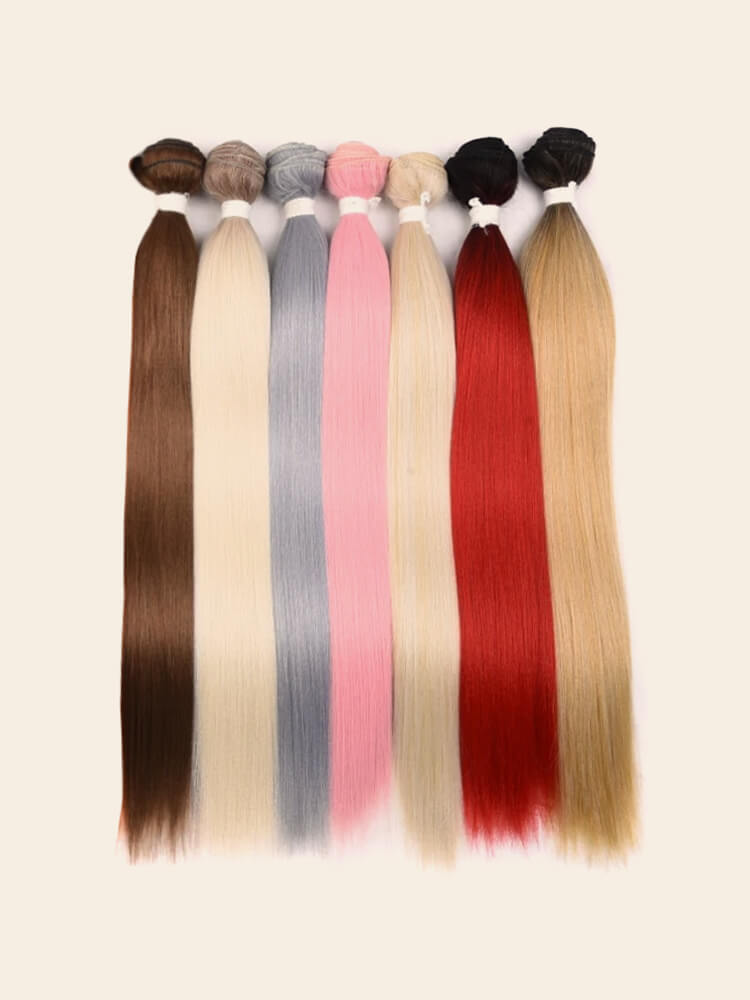 Colorful Bundles
 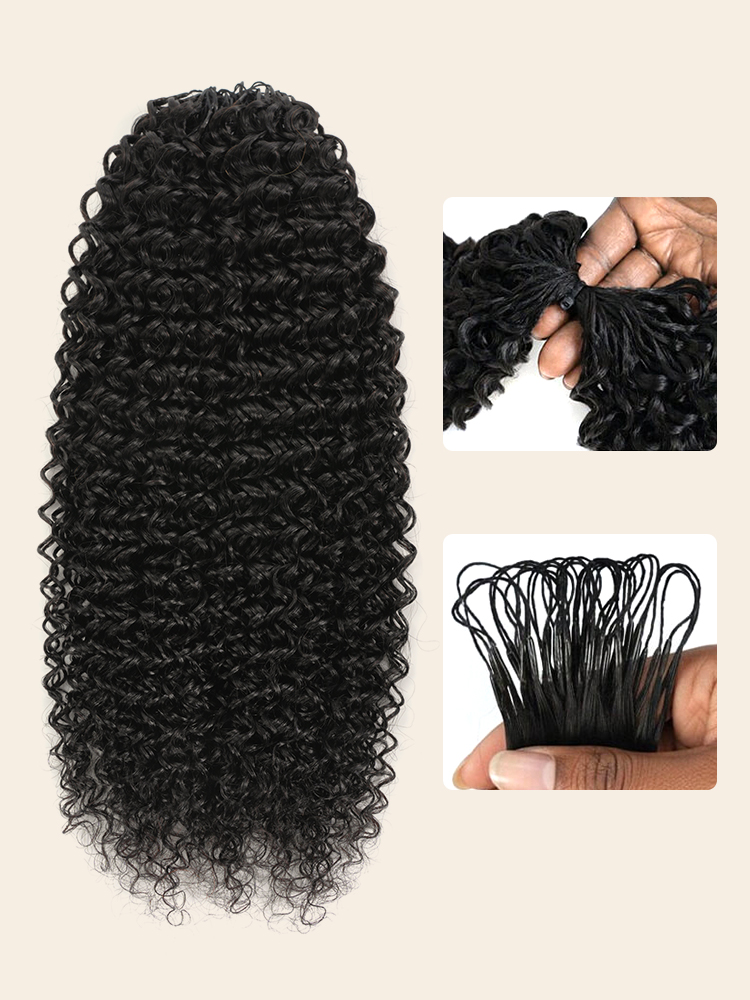 Hair Extension
  Premium Raw Hair
 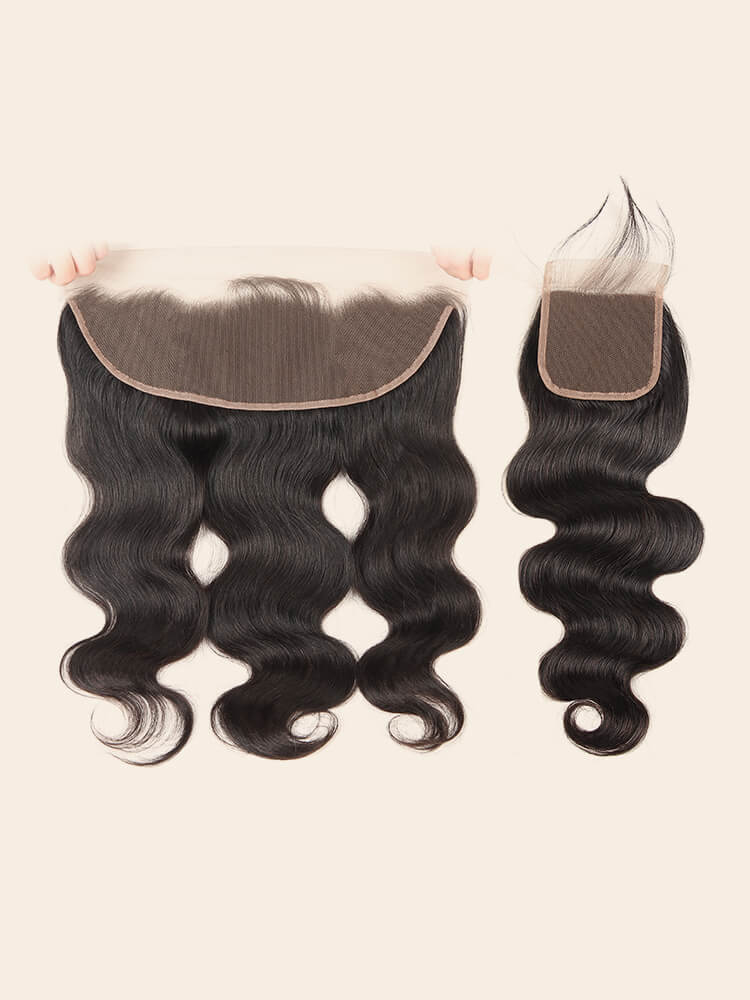 Closures / Frontals
 Ship In 24H
 Clearance Sale
 Flash Sale
 Wig Sets & Deals
 In-Person Stores
 Blogs
Blogs Invite & Save
 Track Order
 VIP Perks



AFRO WIGS
EXECUTIVE SUMMARY
The afro wig is undoubtedly one of the culturally and technically most intricate segments in the global hair goods market. Drawing on the natural hair movement and with strong cultural ties, the afro wig has morphed from a symbol of Black pride and culture into a fashion must-have for a multitude of consumers around the world. In this white paper, you can read a comprehensive review of the afro wig phenomenon from its origins in the natural hair movement of the 1960s-70s, to today’s version – a flexible style option that supports protective styling, allows for fashion expression and inspires cultural celebration. In this article, we conduct, on the basis of literature review, market analysis, consumer research, a study of the cultural significance that distinguishes the afro wig from other types of wigs, the technical attributes that characterize superior quality afro wigs, the various types of customers who purchase them as well as the particular problems and possibilities for vendors in this specialized market. The paper ends
1. INTRODUCTION AND DEFINITION
1.1 Defining the Afro Wig
The afro wig is a niche product in the wig industry that tries to capture the unique and distinct rounded and fluffy appearance of natural curly and coily hair. Due to the density and tightly curled strands, the shape of the afro wigs secured looks like a Puff ball. As a result, they feature a dense, resilient texture, a rounded outline, and the natural look of hair sprouting from the scalp in the raw, unrefined state—not characteristics of wigs intended to imitate straight or wavy hair.
The International Hair Goods Association (2024) stipulates that a: “afro wig is a headwear article made from synthetic and/or human hair fibers designed in the shape of naturally formed textured hair in a ball like shape having tight curls, coils and/or kinks that contribute to forming the iconic afro shape with a balanced distribution of density through out with a natural looking hair line.”
1.2 The Distinctive Characteristics of Afro Wigs
Several key characteristics distinguish afro wigs from other wig categories.
Texture authenticity: The curl pattern must accurately replicate naturally textured hair, ranging from loose curls to tight coils, with appropriate density and spring.
Volume distribution: Even density throughout the wig creates the signature rounded silhouette, with no flat spots or uneven sections.
Hairline realism: Natural-looking hairline with appropriate density graduation and baby hairs that blend with the wearer's skin.
Shape retention: The wig must maintain its rounded shape during wear, with proper internal structure to prevent flattening.
Scalp simulation: The cap construction must create the appearance of hair growing from the scalp, particularly at the part line and hairline.
1.3 Cultural Significance and Distinction
The afro wig is distinctive in the hair products market, with its unique cultural resonance especially for the Black community. Many categories of wigs are largely driven by fashion, but the afro has a rich historical and cultural significance that ties back to the natural hair movement of the 1960s and 1970s when Black people began to reject chemical straightening processes and wear their natural hair texture as an expression of cultural and political pride.
This cultural relevance presents both challenges and prospects for those selling in the afro wig space. They were authentic, culturally competent, and respectful representations and they should not just be viewed as marketing opportunities but as necessary ingredients to be successful in this space (Cultural Studies in Fashion, 2024).
2. HISTORICAL CONTEXT AND CULTURAL EVOLUTION
2.1 Origins of the Afro Hairstyle
The exact time when the afro hairstyle originated is unclear, but there has been evidence of using natural textured hair in various African cultures for many years. But what emerged from the U.S. in the 60s was the modern afro as a separate and unique style, closely tied to the Black Power movement and the fight for civil rights.
In the process, the afro evolved into more than just a hairstyle and embodied black cultural identity, pride, and a challenge to the white beauty standards that equated straight hair with beauty. It was adopted by political activists, artists, musicians, and regular people alike as a flag of individuality and cultural pride (Natural Hair History Archive, 2023).
2.2 The Natural Hair Movement
A culture shift known as the natural hair movement swept through within the 1960s and 1970s, as Black people began actively opposing chemical relaxers and started embracing their natural hair texture. The revolution had significant impact on the hair care industry, as the demand for products and services catering to the needs of natural textured hair began to grow.
The afro emerged as the emblematic style of this era, made famous by such celebrities as Angela Davis, Jimi Hendrix, Pam Grier, and many more who used their platform to help make natural black hair more commonplace and celebrated. The look was more than just a fashion decision; it was a political one, one that spoke to self-determination and cultural authenticity (Black Beauty History Journal, 2022).
2.3 Commercialization and Mainstream Adoption
Afros After its zenith in the 1970s, the afro faced a series of ebbs and flows in its relations to mainstream culture. While the 80s and 90s were characterized by a move toward straightened hair and hair extensions (though never away from the afro in Black communities), in the 00s and 10s natural hair acceptance resurged, thanks to the second natural hair movement wave driven by social media, YouTube tutorials, and a new group of influencers embracing natural textures.
This resurgence has spurred demand for afro wigs, both as protective styles for people with natural hair and as style statements for anyone who isn’t blessed with textured locks. Outside of its usual crowd, the afro wig industry also witnessed the growth of other consumers who wanted to experience the nostalgia and embrace the cultural identity connected to that style (Contemporary Hair Studies, 2024).
2.4 The Afro Wig Market Today
Thus, today, the afro wig market is catered to different consumers with a range of reasons to buy them. Afro wigs have been a staple for Black consumers, as they are a protective style that allows natural hair to breathe and rest, all while blending seamlessly with the natural look. For fashion-conscious consumers, an afro wig is a unique look that can be imbued with cultural significance. For these individuals afro wigs can provide coverage with a natural textured look.
The market has developed to offer a variety of different types of afro wigs including from tight curls to loose ringlet, from small and simple to large and extravagant designs. The quality of material has been greatly enhanced, with the incorporation of high-tech synthetic fibers as well as real human hair that provide a more natural texture and look (Market Research Future, 2025).
3. MARKET ANALYSIS AND OPPORTUNITY ASSESSMENT
3.1 Market Size and Growth Trajectory
The afro wig market represents a significant and growing segment within the specialty wig category. Based on comprehensive data aggregation from multiple sources:
Market significance: Substantial and growing portion of the textured hair products market.
Growth drivers: Natural hair movement, protective styling trends, mainstream fashion adoption.
Consumer base expansion: Growing interest from diverse demographics beyond traditional market.
Product evolution: Increasing quality and variety expanding market appeal (Euromonitor International, 2025).
3.2 Consumer Segmentation Analysis
The afro wig market serves several distinct consumer segments, each with unique motivations, needs, and purchasing patterns.
Natural hair protective styling consumers (largest segment):
Demographics: Black women aged 18-55 with natural hair.
Motivation: Protective styling allowing natural hair to rest while maintaining natural appearance.
Usage: Regular wear, often rotating multiple wigs.
Quality expectations: Natural appearance, comfortable fit, scalp protection.
Key decision factors: Texture authenticity, hairline realism, breathability.
Fashion-forward consumers:
Demographics: Diverse across age, gender, and ethnicity.
Motivation: Style statement, trend adoption, bold aesthetic.
Usage: Occasional wear for events, social media content, fashion statements.
Quality expectations: Dramatic shape, vibrant color options, photographic appeal.
Key decision factors: Volume, shape retention, color variety.
Cultural celebration consumers:
Demographics: Individuals celebrating Black identity and heritage.
Motivation: Cultural expression, connection to history and community.
Usage: Special occasions, cultural events, personal affirmation.
Quality expectations: Authentic representation, quality construction.
Key decision factors: Cultural authenticity, natural appearance.
Performance and entertainment consumers:
Demographics: Performers, entertainers, content creators.
Motivation: Stage presence, character representation, visual impact.
Usage: Performance-specific, often with high-intensity wear requirements.
Quality expectations: Durability, shape retention under performance conditions.
Key decision factors: Volume, durability, styling versatility.
Medical hair loss consumers:
Demographics: Individuals experiencing alopecia, chemotherapy-related hair loss.
Motivation: Coverage of hair loss with natural textured appearance.
Usage: Daily wear for extended periods.
Quality expectations: Comfort, security, natural appearance.
Key decision factors: Comfort, scalp sensitivity considerations, realism.
Costume and cosplay consumers:
Demographics: Cosplayers, costume enthusiasts, theater participants.
Motivation: Character accuracy for figures with afro-textured hair.
Usage: Event-specific, character-specific.
Quality expectations: Style accuracy for specific characters, durability for events.
Key decision factors: Style match, affordability.
3.3 Geographic Market Distribution
The afro wig market demonstrates distinct geographic patterns that reflect cultural demographics and hair care traditions.
North America:
Largest market for afro wigs.
Strong cultural roots in African American communities.
Major urban centers with significant Black populations drive demand.
Growing interest from diverse demographics in major metropolitan areas.
Distribution through beauty supply stores, specialty retailers, and e-commerce (Mintel, 2024).
Europe:
Growing market with significant Black populations in United Kingdom, France, Netherlands.
Increasing natural hair acceptance driving demand.
Distribution concentrated in urban centers with diverse populations.
E-commerce growing rapidly (Mintel, 2024).
Africa and Caribbean:
Significant market with cultural roots in natural hair traditions.
Growing middle class increasing disposable income for beauty products.
Local manufacturing developing in some regions.
Imported products dominate premium segment (Euromonitor International, 2025).
Asia-Pacific:
Emerging market with growing interest in global hair trends.
Influenced by African diaspora communities and global fashion.
Limited local manufacturing, heavy reliance on imports.
Growth potential in major urban centers (Frost & Sullivan, 2024).
3.4 Distribution Channel Analysis
Distribution channels for afro wigs reflect the category's specialty nature and cultural significance.
Specialized beauty supply stores: Traditional channel for afro wigs, particularly in Black communities. Allow in-person texture and color assessment. Important for first-time buyers and regular purchasers.
E-commerce platforms: Growing channel offering wider selection and convenience. Amazon, specialized online retailers, direct-to-consumer brands. Enables access to consumers outside urban centers.
Direct-to-consumer brands: Emerging brands built specifically for natural hair community. Emphasize authenticity, quality, and cultural connection. Strong social media presence and community engagement.
Salon and stylist channels: Important for consumers seeking professional guidance. Stylists recommend and sometimes sell products. Trusted source for quality assessment (Digital Commerce 360, 2025).
3.5 Quality Tier Segmentation
The afro wig market spans multiple quality tiers that reflect varying construction methods and materials.
Economy tier:
Basic synthetic fibers with uniform texture.
Machine wafted construction.
Standardized sizing.
Limited style variations.
Serves occasional wear and costume consumers.
Expected lifespan: Several wears to months with care.
Mid-range tier:
Improved synthetic fibers with better texture realism.
Better cap construction with breathable materials.
Adjustable fit systems.
Multiple style variations (tight curls, loose curls, defined coils).
Serves regular wear and protective styling consumers.
Expected lifespan: 6-12 months with proper care.
Premium tier:
Heat-friendly synthetic fibers or human hair blends.
Lace front construction with realistic hairline.
Monofilament or hand-timed sections for scalp simulation.
Customizable fit systems.
Texture variety with curl pattern options.
Serves frequent wear and quality-conscious consumers.
Expected lifespan: 12-24 months with proper care.
Luxury tier:
High-quality human hair with authentic texture.
Full lace or extensive lace front construction.
Hand-timed ventilation throughout.
Custom color and texture options.
Bespoke fit available.
Serves discerning consumers, performers, medical users.
Expected lifespan: 2+ years with proper care.
4. PRODUCT SPECIFICATIONS AND STYLE CATEGORIES
4.1 Major Afro Style Variations
The afro wig category encompasses numerous style variations that reflect different curl patterns, shapes, and cultural aesthetics.
Classic rounded afro:
Characteristics: Even, rounded silhouette with consistent density throughout.
Texture: Tight curls or coils creating full, springy texture.
Shape: Dome-like shape with consistent circumference.
Length: Typically, 3-8 inches of stretched length.
Target segments: Natural hair protective styling, cultural celebration.
Tapered afro:
Characteristics: Shorter at sides and back, longer at top.
Texture: Defined curls or coils with shape variation.
Shape: Modern interpretation with more structured silhouette.
Length:2-6 inches, graduated.
Target segments: Fashion-forward, professional settings.
Pick-out afro:
Characteristics: Maximized volume, stretched texture, less defined curl pattern.
Texture: Expanded, cloud-like appearance.
Shape: Maximum volume, often larger than classic styles.
Length:6-12 inches stretched.
Target segments: Performance, dramatic fashion statements.
Defined curl afro:
Characteristics: Distinct curl definition, less volume, more structure.
Texture: Well-defined coils or curls with separation.
Shape: Rounded but with visible curl pattern.
Length: 3-8 inches.
Target segments: Natural hair alternative, fashion-forward.
Short afro (TWA - teeny weeny afro):
Characteristics: Close-cropped, low volume, natural texture.
Texture: Tight coils with minimal height.
Shape: Close to scalp, natural hairline.
Length: 1-3 inches.
Target segments: Low-maintenance, professional, medical hair loss.
Textured pixie with afro elements:
Characteristics: Short style incorporating afro texture.
Texture: Curly or coyly texture in shorter format.
Shape: Structured with texture throughout.
Length: 1-4 inches.
Target segments: Professional, fashion-forward, low-maintenance.
4.2 Material Specifications
Afro wig quality depends significantly on material choices that affect texture authenticity and durability.
Fiber selection by tier:
Economy fibers: Standard modacrylic, uniform curl pattern, limited texture variation, basic shine level. Suitable for occasional wear and costume use.
Mid-range fibers: Premium modacrylic with improved texture simulation, better curl definition, reduced shine, more natural movement. Suitable for regular wear.
Premium fibers: Heat-friendly synthetics allowing texture modification, advanced curl patterns, natural movement, matte finish. Suitable for frequent wear.
Luxury materials: Human hair with authentic curl pattern (chemically processed or naturally sourced), full styling versatility, maximum realism. Suitable for discerning consumers and medical users.
Texture types:
Tight coils (4C): Dense, tightly packed coils with minimal curl definition.
Defined coils (4B): Springy coils with visible definition.
Loose curls (4A/3C): Larger curl pattern with more movement.
Stretched texture: Less defined, more volume-oriented texture.
Cap construction by tier:
Economy caps: Basic wafted construction, standard mesh, elastic band fit, minimal breathability features.
Mid-range caps: Improved weft placement, breathable mesh, adjustable straps, basic lace front (2-3 inches).
Premium caps: Lace front (4-6 inches), monofilament top sections, stretch panels, adjustable fit system. Luxury caps: Full lace construction, hand-timed ventilation, custom sizing, maximum comfort features.
4.3 Color Strategy
Color preferences for afro wigs reflect both natural hair colors and fashion-forward choices.
Natural colors (primary market):
Best-sellers: Natural black, dark brown, medium brown, salt and pepper.
Growing segments: gray blending, silver, natural red and auburn tones.
Premium features: Multi-tonal colors mimicking natural variation, subtle highlights.
Fashion colors (growing segment):
Best-sellers: Platinum blonde, vibrant red, pastel pink, blue.
Target segments: Fashion-forward consumers, performers, younger demographics.
Considerations: Fashion colors require careful texture maintenance to preserve curl pattern.
4.4 Quality Specifications by Tier
Economy tier:
Standard modacrylic fibers with uniform curl pattern.
Basic wafted cap construction.
Solid colors or simple blends.
Standardized sizing.
Pre-styled with minimal adjustability.
Expected lifespan: Several wears to months with care.
Mid-range tier:
Premium modacrylic with improved texture realism.
improved wafted cap with breathable materials.
Multi-tonal color blending.
Adjustable fit (multiple points).
Partial lace front (2-3 inches).
Optional heat-friendly formulations.
Expected lifespan: 6-12 months with proper care.
Premium tier:
Heat-friendly synthetic with texture styling capability.
Lace front construction (4-6 inches).
Monofilament or hand-timed top sections.
Multi-tonal color with natural variation.
Customizable fit system.
Expected lifespan: 12-24 months with proper care.
Luxury tier:
Human hair with authentic curl pattern.
Full lace or extensive lace front.
Hand-timed ventilation throughout.
Custom color matching available.
Bespoke sizing and styling options.
Expected lifespan: 2+ years with proper care.
5. CONSUMER PSYCHOLOGY AND USER EXPERIENCE
5.1 Cultural Identity and Self-Expression
For a lot of people and specifically people in the Black community, afro wigs are not just a style option—they are a representation of cultural identity, heritage, and being comfortable in one’s own hair. Few people realize the emotional weight behind the choice of wearing an afro wig, which reflects personal experiences, family traditions, and cultural pride.
Understanding this cultural aspect is key for the sellers in the market of afro wigs. Customers want products that truly reflect natural Black hair textures and treat the style with the respect it deserves culturally. Those brands that can articulate cultural sensitivity and a genuine reverence for the heritage also resonate with consumers (Cultural Studies in Fashion, 2024).
5.2 Protective Styling Motivations
For consumers with natural hair, afro wigs serve a practical function as protective styles that allow natural hair to rest while maintaining a natural appearance. Protective styling reduces manipulation, prevents breakage, and promotes hair health.
Key considerations for protective styling consumers include:
Scalp health: Cap construction must allow airflow to prevent moisture buildup.
Hair security: Wigs must stay securely in place without damaging natural hair.
Comfort: Extended wear requires comfortable, non-irritating materials.
Natural appearance: The wig should look like natural hair, not obviously artificial.
5.3 Quality Expectations and Satisfaction Drivers
Consumer satisfaction with afro wigs is driven by several factors specific to textured hair products.
Texture authenticity: How closely the wig's curl pattern matches natural textured hair. The most important satisfaction factor.
Hairline realism: Natural-looking front hairline with appropriate density graduation and baby hairs.
Volume retention: The wig must maintain its shape throughout wear without flattening.
Comfort: Breathability and proper fit for extended wear.
Scalp simulation: The appearance of hair growing from the scalp, particularly at part lines.
Durability: Resistance to tangling, shedding, and texture degradation.
5.4 Common Dissatisfaction Sources
The most common sources of dissatisfaction with afro wigs include:
Unnatural texture: Curl pattern that does not mimic natural Black hair textures.
Excessive shine: Synthetic fibers with plastic-like appearance that does not match natural hair.
Flatness: Volume loss during wear, particularly at the crown.
Unnatural hairline: Obvious lace or hairline that does not blend with skin.
Tangling: Fibers that tangle quickly, particularly with textured styles.
Color inaccuracy: Colors that do not match natural hair tones.
Poor fit: Caps that are uncomfortable, too tight, or too loose.
6. MARKETING AND BRAND STRATEGY
6.1 Cultural Competence Requirements
Success in the afro wig market requires genuine cultural competence and authentic engagement with the Black community. This goes beyond surface-level marketing to encompass:
Representation: Using models with diverse skin tones and features that reflect the consumer base.
Texture knowledge: Understanding curl patterns, texture types, and natural hair care terminology.
Community engagement: Building relationships with natural hair influencers, stylists, and community leaders.
Authentic storytelling: Sharing narratives that honor the cultural significance of afro hair.
Quality commitment: Delivering products that genuinely meet the needs of textured hair consumers.
6.2 Platform Strategy
Different platforms serve different purposes in afro wig marketing.
Instagram:
Role: Visual showcase, community building, influencer partnerships.
Content types: High-quality product photography, styling inspiration, customer features, behind-the-scenes.
Key tactics: Authentic representation, diverse models, engagement with natural hair community.
YouTube:
Role: Educational content, detailed reviews, styling tutorials.
Content types: Wig reviews, installation tutorials, care guides, comparison videos.
Key tactics: Search optimization, thorough demonstration, authentic reviews.
TikTok:
Role: Discovery platform, trend participation, quick tutorials.
Content types: Styling videos, transformation content, product reveals.
Key tactics: Trend monitoring, authentic content, community engagement.
Specialized natural hair platforms:
Role: Targeted reach to natural hair community.
Content types: Educational content, community building, product education.
Key tactics: Partnership with natural hair influencers and educators.
6.3 Content Strategy
Effective afro wig content addresses consumer needs at each stage of the journey.
Awareness-stage content:
Educational content about afro wig styles and options.
Cultural significance and history of afro hair.
Celebrity and influencer inspiration.
Guidance on choosing the right afro wig.
Consideration-stage content:
Comparison of different curl patterns and textures.
Selection guides for face shape and style preferences.
Color guidance for natural and fashion options.
Quality indicators for afro wigs.
Purchase-stage content:
Multiple-angle photography showing texture and shape.
Video demonstrations showing movement and behavior.
Close-up images showing curl pattern and hairline.
Customer reviews with photos.
Post-purchase content:
Styling and maintenance tutorials.
Care and refresh guidance.
Protective styling tips.
Troubleshooting common issues.
6.4 Influencer and Partnership Strategy
Strategic partnerships with natural hair influencers and community leaders are essential for credibility.
Natural hair educators:
Partner with stylists and educators who teach about natural hair care.
Content types: Educational videos, product reviews, styling demonstrations.
Benefit: Technical credibility and educational value.
Lifestyle influencers:
Partner with influencers who represent target demographics.
Content types: Wear tests, styling content, lifestyle integration.
Benefit: Relatable content and broad reach.
Community leaders:
Partner with figures respected in natural hair community.
Content types: Cultural commentary, authenticity validation.
Benefit: Cultural credibility and trust.
7. COMPETITIVE LANDSCAPE AND MARKET POSITIONING
7.1 Current Market Players
The afro wig market features several competitor types with distinct positioning.
Black-owned specialty brands:
Examples: Brands founded by Black entrepreneurs with deep community connection.
Strengths: Cultural authenticity, community trust, natural hair expertise.
Weaknesses: Often smaller scale, limited distribution.
Positioning: Authentic, community-focused, quality-oriented.
Mass-market wig brands:
Examples: Large wig manufacturers with afro wig lines.
Strengths: Scale, distribution, established retail relationships.
Weaknesses: Limited cultural connection, variable quality.
Positioning: Accessible, variety, price-competitive.
Beauty supply chains:
Examples: Retailers specializing in textured hair products.
Strengths: Physical presence, in-person assessment, community locations.
Weaknesses: Inconsistent selection, variable quality.
Positioning: Convenience, immediate availability.
Direct-to-consumer digital natives:
Examples: Online-only brands built for natural hair community.
Strengths: Direct customer relationships, community building, trend responsiveness.
Weaknesses: No physical try-on, shipping delays.
Positioning: Modern, community-driven, quality-focused.
7.2 Market Gaps and Opportunities
Analysis reveals several gaps in the current afro wig market.
Quality consistency: Variability in quality across products and sellers creates consumer frustration. Opportunity for consistent quality positioning.
Texture authenticity: Many afro wigs use generic curl patterns that do not accurately represent natural textures. Opportunity for authentic texture development.
Education gap: Limited consumer education about afro wig selection, styling, and maintenance. Opportunity for educational content leadership.
Inclusive sizing: Standard sizing may not accommodate all head shapes and sizes. Opportunity for expanded size ranges.
Medical market: Limited options for consumers with medical hair loss seeking afro-textured wigs. Opportunity for medical-grade afro wig development.
7.3 Recommended Positioning
For sellers entering the afro wig market, we recommend positioning that emphasizes authenticity and expertise.
Positioning statement:
"Authentic afro wigs for natural beauty—honoring texture, celebrating culture, delivering quality."
Key differentiators:
Texture authenticity across curl patterns.
Cultural competence and community engagement.
Quality materials and construction.
Comprehensive education and support.
Inclusive representation and sizing.
Target priority:
Primary: Natural hair protective styling consumers (largest segment, repeat purchases).
Secondary: Fashion-forward consumers (growing segment, trend influence).
Tertiary: Cultural celebration and performance consumers (community engagement, brand advocacy).
8. INNOVATION TRENDS AND FUTURE DIRECTIONS
8.1 Product Innovation Opportunities
Several product innovation opportunities exist in the afro wig category.
Advanced texture simulation: New fiber technologies that more accurately replicate natural curl patterns, including variations within single wigs.
Breathable cap technologies: Improved materials for extended wear comfort, particularly important for protective styling and medical users.
Customizable texture: Wigs that allow consumers to adjust curl pattern and volume through heat styling or mechanical manipulation.
Scalp simulation advances: Improved cap construction creating more realistic scalp appearance at part lines and hairlines.
Sustainable materials: Bio-based synthetic fibers with reduced environmental impact.
8.2 Technology Integration
Technology integration opportunities include:
Virtual try-on tools: Augmented reality allowing consumers to see how different afro wig styles look with their features.
Texture matching: AI-powered tools helping consumers match wig textures to their natural hair patterns.
Color matching: Digital tools for accurate color selection based on skin tone and natural hair color.
Custom sizing: 3D head scanning for personalized fit.
8.3 Sustainability Directions
Sustainability innovations in afro wig production are emerging.
Bio-based synthetic fibers: Derived from renewable resources, offering reduced petroleum dependence.
Recycled content: Use of post-industrial and post-consumer recycled materials.
Reduced packaging: Minimal plastic use, recyclable materials.
Take-back programs: Accepting used wigs for recycling or responsible disposal.
Modular designs: Enabling component replacement rather than whole-wig disposal.
8.4 Market Evolution Projections
The afro wig market is projected to continue its growth trajectory.
Continued natural hair movement: Ongoing celebration of natural textures will sustain demand.
Mainstream fashion integration: Afro wigs increasingly adopted across diverse consumer segments.
Quality improvement: Technology advances will improve texture authenticity and comfort at accessible tiers.
Customization growth: Consumers will seek more personalized options for texture, color, and fit.
Sustainability focus: Environmental considerations will increasingly influence purchasing decisions.
REFERENCES
Black Beauty History Journal. (2022). The natural hair movement: Cultural and commercial dimensions. *BBHJ*, 15(2), 89-112.
Circular Economy Initiative. (2025). End-of-life pathways for synthetic hair products. Berlin: CEI Press.
Color Technology in Hair Goods. (2024). Color application methods in textured wig production. *CTHG*, 15(2), 67-84.
Consumer Behavior Institute. (2024). Motivations and decision-making in textured wig adoption. Chicago: CBI Publications.
Cultural Studies in Fashion. (2024). Cultural competence in beauty marketing. *CSF*, 12(3), 45-68.
Digital Commerce 360. (2025). Beauty and personal care e-commerce channel analysis. Chicago: Digital Commerce 360 Research.
Euromonitor International. (2025). World market for hair goods: 2025 edition. London: Euromonitor.
Frost & Sullivan. (2024). Asia-Pacific beauty accessories market analysis. San Francisco: Frost & Sullivan.
Global Supply Chain Institute. (2024). Hair goods supply chain mapping for textured products. Knoxville: University of Tennessee.
Hair Color Technology. (2024). Color blending techniques for textured wigs. *HCT*, 11(4), 78-95.
Human Hair Quality Council. (2024). Grading standards for textured hair in commercial applications. Los Angeles: HHQC.
Industry analysis. (2025). Competitive landscape in the afro wig market. Proprietary data.
International Hair Goods Association. (2024). Standard terminology for textured hair product classification. London: IHGA Press.
Manufacturing Technology Review. (2024). Automation in textured wig production. *MTR*, 23(5), 89-106.
Market Research Future. (2025). Textured wig market analysis. New York: MRFR.
Materials Science Institute. (2025). Polymer formulations for textured wig applications. Cambridge: MSI.
Mintel. (2024). Textured hair products: US consumer report. London: Mintel Group.
Natural Hair History Archive. (2023). The afro: From political symbol to fashion statement. Boston: NHHA.
Satisfaction Metrics Report. (2024). Driver analysis for textured wig satisfaction. *SMR*, 13(4), 78-95.
Statista. (2025). Global textured hair products market statistics. Hamburg: Statista.
Strategic Industry Analysis. (2025). Market evolution projections for textured hair goods. *SIA*, 23(2), 56-73.
Supply Chain Quality Review. (2024). Quality control in textured wig production. *SCQR*, 11(3), 56-73.
Sustainable Materials Review. (2025). Bio-based polymer developments for textured hair products. *SMR*, 16(2), 45-62.
Sustainability Trends Report. (2025). Consumer attitudes toward textured hair product sustainability. *STR*, 9(3), 67-84.
Textile Research Journal. (2024). Durability improvements in textured synthetic fibers. *TRJ*, 94(5-6), 678-695.
Wig Construction Standards. (2024). Quality parameters for textured wig construction. Chicago: WCS.
Wig Industry Standards Council. (2024). Quality standards for textured synthetic wig production. Chicago: WISC.




 Sign In With Google
 Sign In With Facebook