





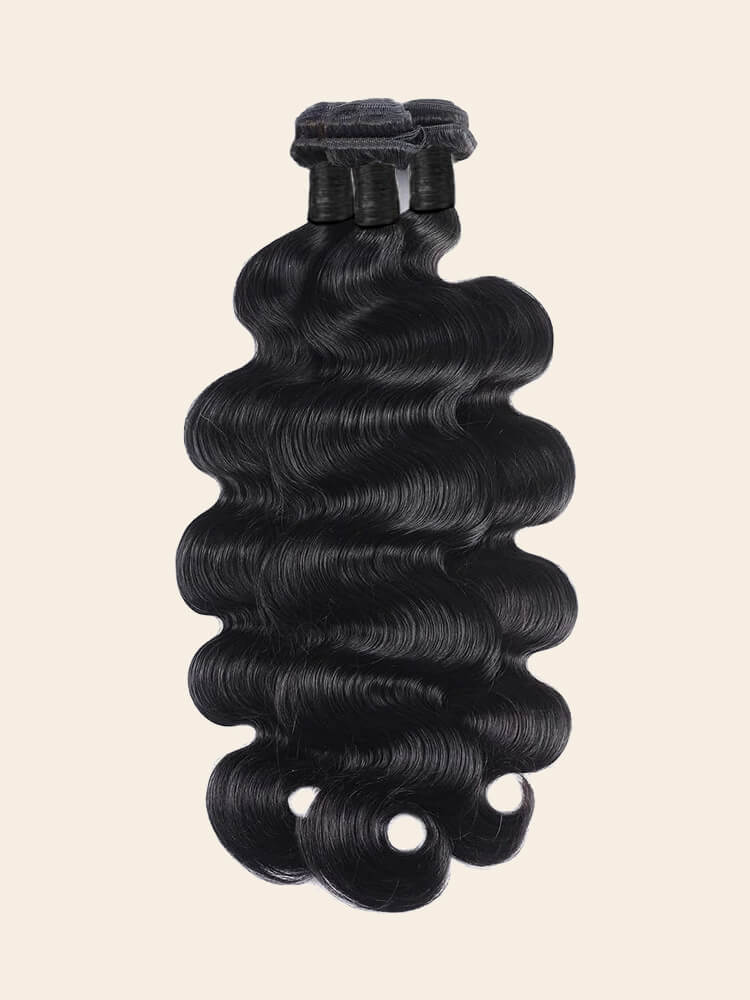
 Body Wave Bundles
 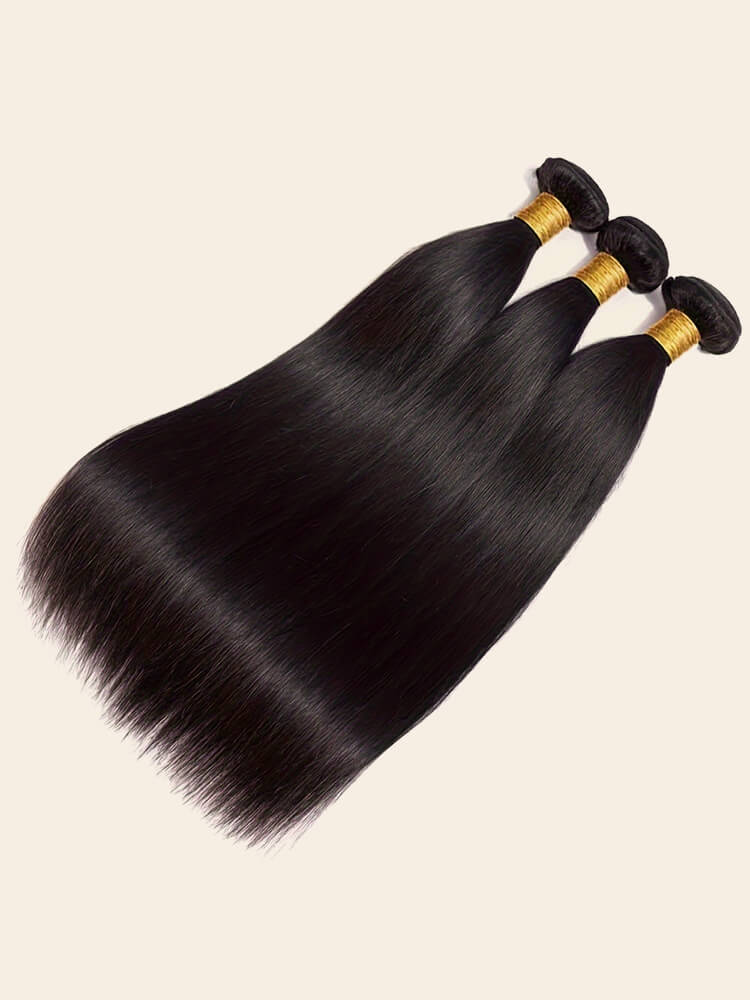 Straight Bundles
 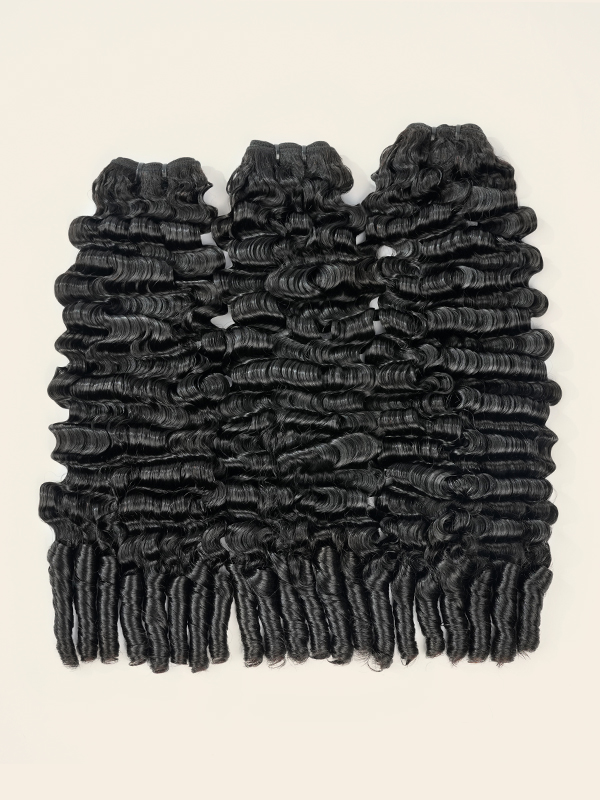 Curly Bundles
 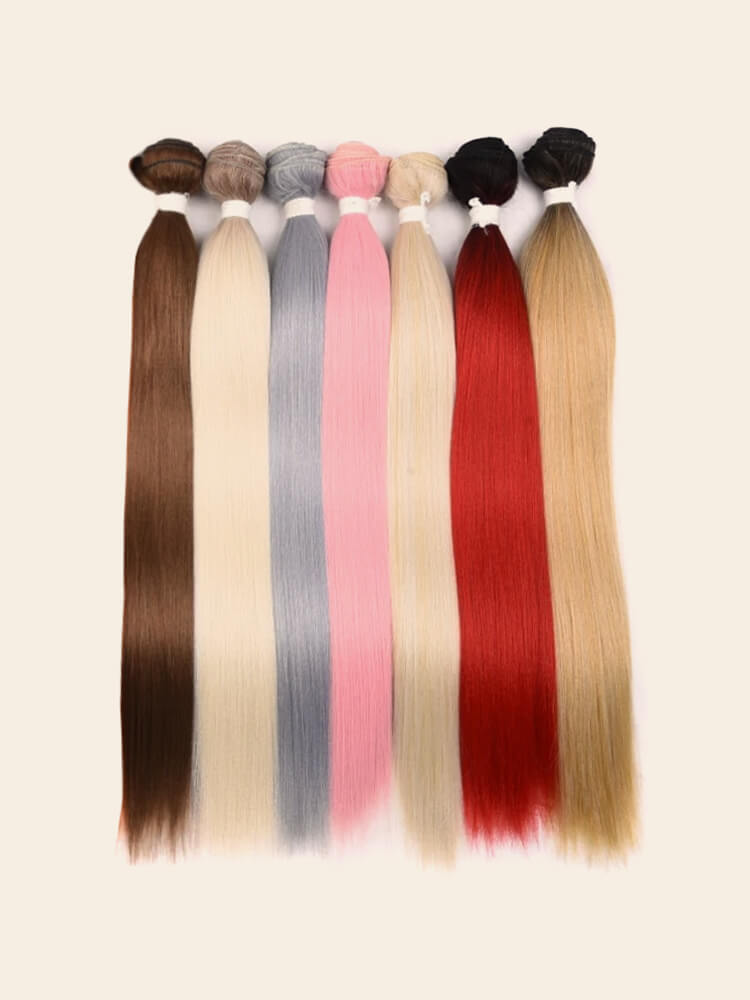 Colorful Bundles
  Hair Extension
  Premium Raw Hair
  Closures / Frontals
 Ship In 24H
 Clearance Sale
 Flash Sale
 Wig Sets & Deals
 In-Person Stores
 Blogs
Blogs Invite & Save
 Track Order
 VIP Perks



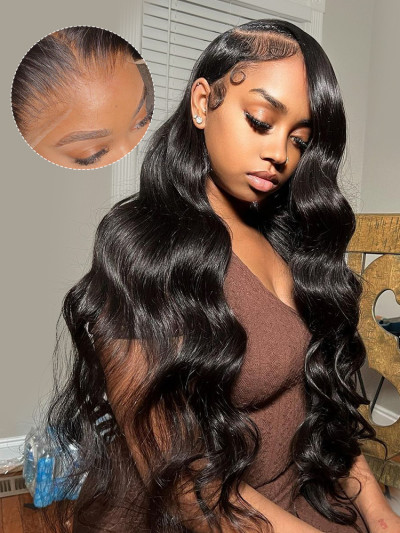




How to Thin a Wig Safely for a More Natural Look
You've come across the question of how to thin a wig if you feel as though your wig is too thick or too dense. Thinning can enhance movement, lighten the load, and result in a more natural look. A correct thinning technique can help to make the wig appear more natural and move with less weight.
Using a wig that has been in place for some time or just a new one, be careful to bring a sense of density to the wig, and it will fall naturally for the customer and suit their daily requirements.
Why It is Important to Understand How to Thin a Wig
Large wigs must not be more than thick as they tend to look unnatural, particularly at the crown and ends. If it's too dense, it's also more difficult to style and can result in less airflow, making it uncomfortable to wear for extended periods of time.
Thinning a wig can also help to create balance, ensuring that the hair, as a whole, doesn't look too dense in one spot.
In many cases, as the high-density wigs are purchased, many users choose to water them down, so as to get them a more natural finished look.
How to Make a Wig Thinner Using Thinning Shears
Some of the best ways are with thinning shears. They cut just enough to remove small furicles to create a smooth finish. Rather than taking blocks of land, they work in a more systematic way and slowly thin the population down.
When using thinning shears, it is important that work is done in small sections and that the cuts are not made too close to the roots. A uniform, thin hair wig stays pulled up more effectively. Others practice on the less prominent areas first, and then fine-tune the wig.

How to Make a Wig Thinnerby Tweezing
Another technique is tweezing, particularly near the parting or crown. The density can be decreased as needed without changing the structure by opening a strand here or there.
Ideal for areas that don't call for a total thinning. It does take some time, though, and it's important to take a bit at a time so as not to create even-headed spots.
A large number of users use a combination of tweezing and other techniques for optimal results.
How to Thin a Wig Without Damaging the Shape
In thinning, it's crucial to keep the same style. If hair is cut in too much of one spot, the entire wig silhouette could change. Thinning should be evenly distributed throughout the thinning areas.
Emphasizing the ends can help minimize bulk without positioning the volume so far up. Gradual thinning wigs tend to look more natural compared to rapid ones. Those who thinned their wigs too thin found it hard to restore the wig's original shape.
How to Thin a Wig at the Ends for Better Movement
A wig's ends may be the most visible areas that are most dense. This is where thinning can aid the hair in a more fluid flow, resulting in a lighter look. Shaping or even burning the ends gently will result in a more muted look.
This is particularly beneficial for straight hairstyles that feature thick ends that can appear unnatural. Generally, a lighter-end wig blends in better with natural hair. The crown area is also the most restrictive region of a wig, so here is how to help make it fit better.

How to Thin a Wig Around the Crown Area
If extremely dense, then it might look raised or unnatural. Thinning in this section will help the wig sit flat and in proximity to the scalp. Lightly using tweezers or thinning shears will also help with the result.
Maintaining a well-balanced crown can sometimes make the wig look more authentic.
How to Thin a Wig While Keeping Volume
Thinning is not about eliminating excessive hair but creating balance. Having a moderate length on the root and length at the ends can make for the best look.
The method ensures the shape even after wearing it and makes it easier to move around in. A truly even density wig generally performs better in various lighting situations.
Small changes are tried first, and then bigger changes are made when certain users test them.
How to Thin a Wig Based on Hair Type
Various texture types might call for various ways of thinning. Sometimes, thinning wigs at the ends may have a good effect on straight wigs, as it makes them lighter.
In the case of curly wigs, they might require thinning to prevent them from becoming too voluminous. Open or wavy hairstyles may need to be thinned all over to help create a uniform look.
Knowing what type of hair the person has will help you to know where to place thinning. A hairpiece fitted via the texture will often work better.
How to Thin a Wig and Maintain Hair Quality
It is crucial to maintain the condition of the wig after thinning. Frequent washing will prevent it from becoming coarse and tight. Keeping the animal shed free of unnecessary shedding takes place by using gentle brushing techniques.
The reconditioned wigs are prone to their increased condition for the time that they are well kept after thinning. Alipearlhair, before thinning, is a higher-quality material that is easier to adjust for some users.
Why Knowing How to Thin a Wig Improves Styling Results
Learning how to thin a wig enables the individual to understand how to go to his or her own personal level by tweaking different quantities. A well-thinned wig is usually lighter, more natural, and more comfortable.
Conclusion
Soaking involved in learning how to thin a wig is about being careful, relaxing, and working step by step, without eliminating too much hair. A wig can perform much better throughout the day with proper adjustment and look more natural when done properly.








 Sign In With Google
 Sign In With Facebook