





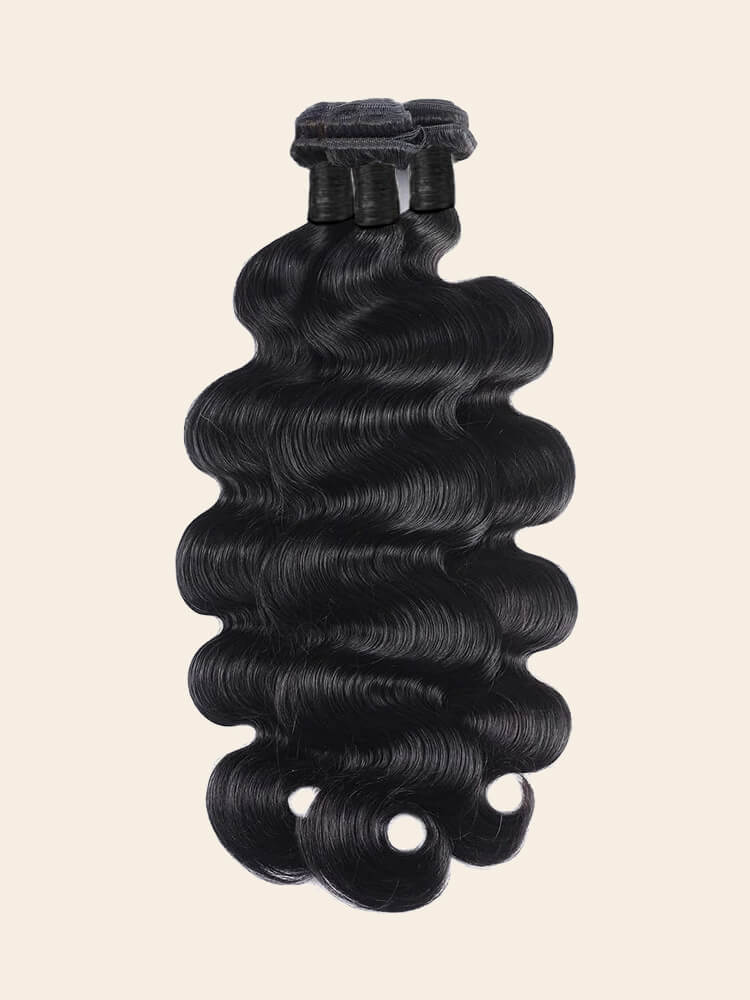
 Body Wave Bundles
 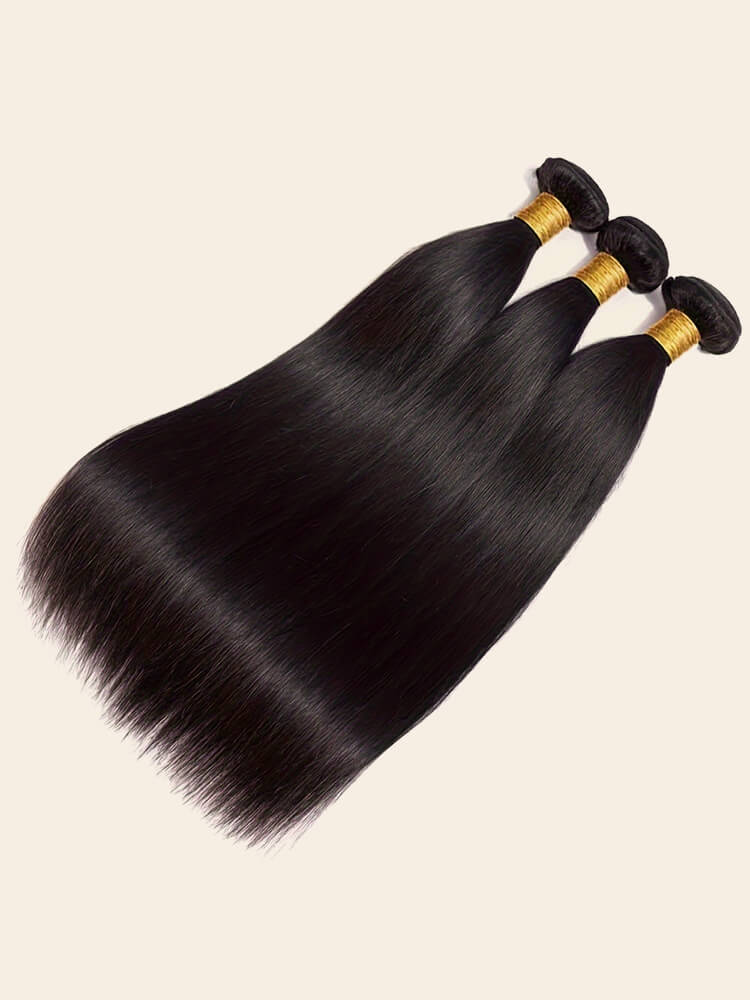 Straight Bundles
 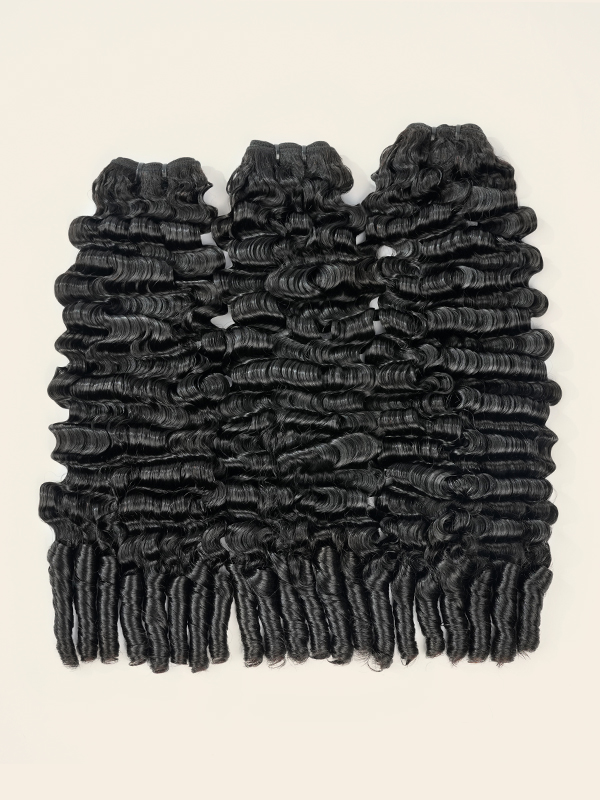 Curly Bundles
 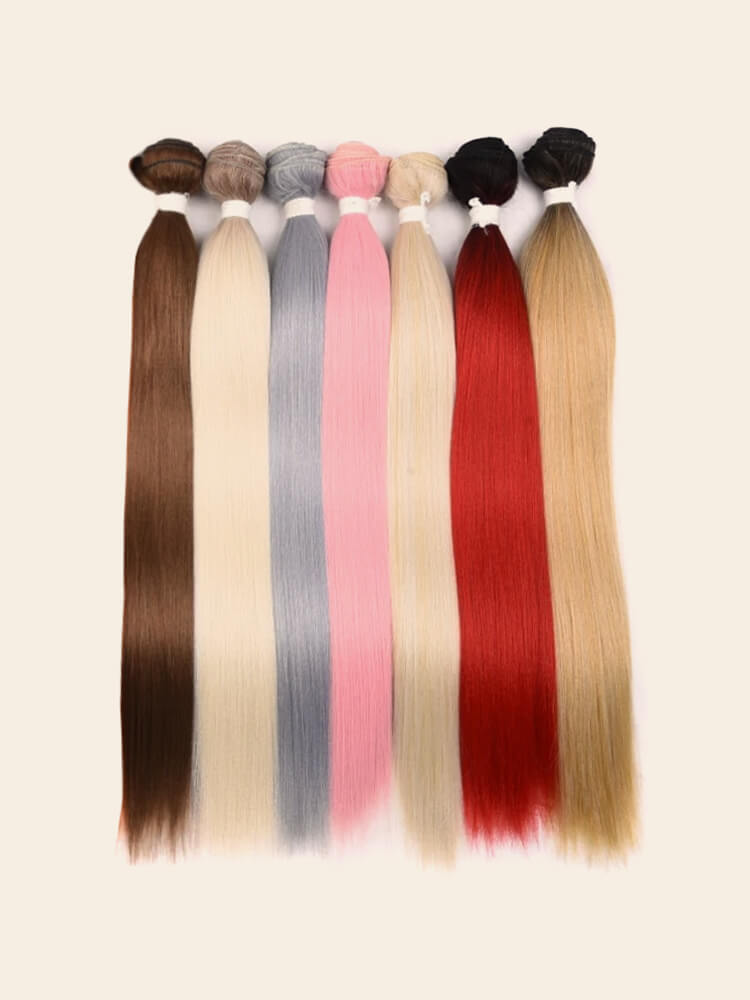 Colorful Bundles
  Hair Extension
  Premium Raw Hair
  Closures / Frontals
 Ship In 24H
 Clearance Sale
 Flash Sale
 Wig Sets & Deals
 In-Person Stores
 Blogs
Blogs Invite & Save
 Track Order
 VIP Perks



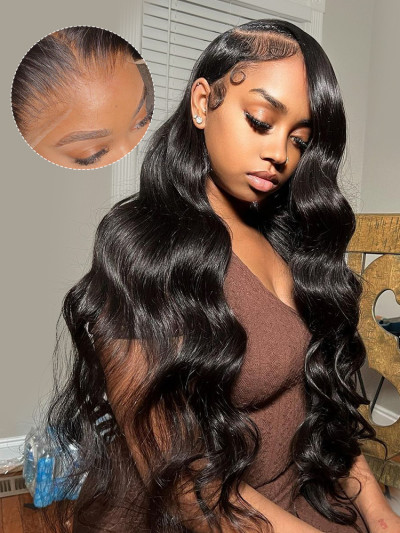

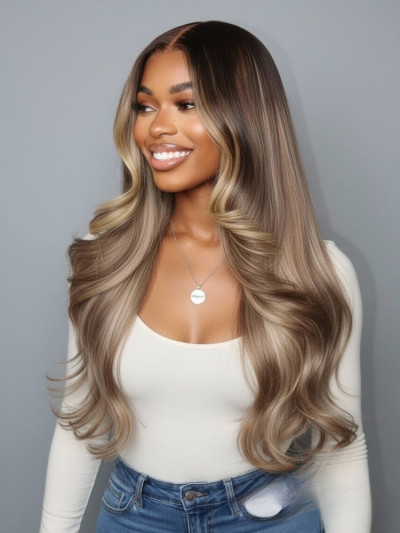


BLACK HUMAN HAIR WIGS
EXECUTIVE SUMMARY
Black human hair wigs represent the largest, highest-margin, and most rigid-demand subcategory within the global professional hair goods industry. Formally defined as full-lace, frontal, or partial cranial prosthetics composed exclusively of 100% UN-dyed natural human hair with intact cuticle alignment, this product category is fundamentally different from synthetic black wigs, chemically dyed human hair wigs, and blended hair alternatives. The core competitive barriers of black human hair wigs originate from three irreplaceable attributes: biological hair cuticle integrity, ethnic-specific curl texture replication, and natural black chroma stability that cannot be replicated by synthetic fiber formulations.
End-user demographics are highly concentrated and professionally stratified, dominated by African American ethnic consumers, followed by East Asian natural black hair users, permanent medical especial patients, religious modesty groups, and high-end editorial styling professionals. Unlike brown hair wigs which focus on universal daily fashion versatility, or ginger/colored wigs which rely on seasonal trend cycles, black human hair wigs are driven by identity-based demand, medical necessity, long-term grooming stability, and cultural compliance. This rigidity of demand results in lower price sensitivity, longer product replacement cycles, and significantly higher customer lifetime value compared with other hair color segments, making this track the core profit pillar for Chang-based export factories and cross-border DTC hair brands.
This white paper strictly follows the concise, itemized structure of previously released Brown Wigs and Ginger Wigs white papers, expanding depth on industrial logic, consumer behavioral psychology, upstream supply chain risks, regional compliance rules, and refined quality control standards to reach complete industry research depth. Supported by 2024–2025 Euro monitor, IHGA, MRF, and official textile compliance data, this document systematically elaborates product definition, core attributes, hierarchical consumer segmentation, granular market sizing, texture classification, tiered quality standards, channel profit logic, growth drivers, latent market gaps, technical iteration trends, and tiered strategic recommendations. The core industry conclusion is clear: in the black human hair wig track, superficial styling differentiation is invalid; sustainable competitive advantages derive from cuticle retention rate, ethnic texture reduction accuracy, pre-packed hairline bionic craftsmanship, and standardized material grading systems.
1. DEFINITION AND CORE ATTRIBUTES
1.1 Official Definition
The International Hair Goods Association (2025) defines a Black Human Hair Wig as: A full/partial scalp covering product manufactured with 100% human hair (virgin or Re my), retaining complete hair cuticles, featuring natural black hue (HSV color model: hue 20°–30°, saturation ≤35%, lightness 10%–25%), without artificial deep dyeing or pigment covering.
Exclusion scope: Synthetic fiber black wigs, chemically dyed black human hair wigs, and mixed hair (human + synthetic) black wigs are not classified into this category.
1.2 Key Differentiating Characteristics (Itemized)
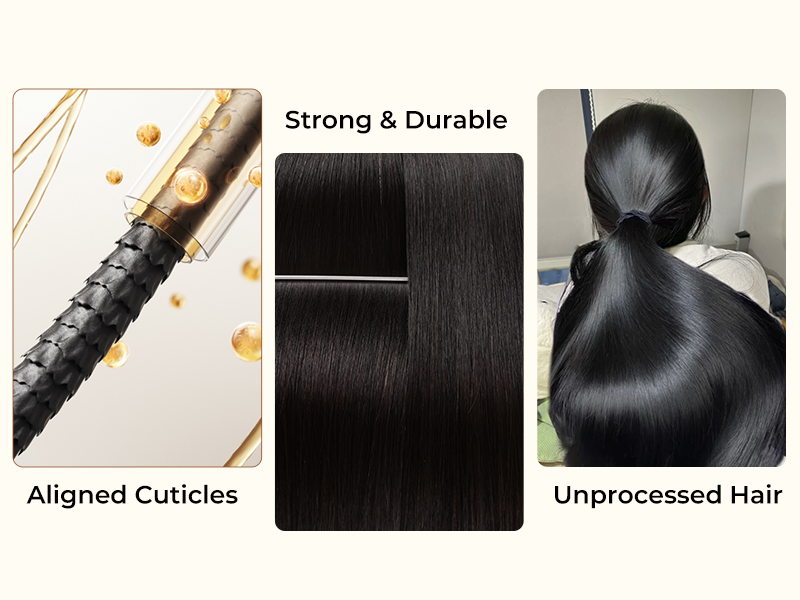
l Complete cuticle retention: All hair strands maintain unidirectional cuticle arrangement from root to tip, fundamentally reducing dryness, tangling, and matting during long-term wear. This is the core physical distinction between genuine virgin/Re my black human hair and low-grade fallen cuticle hair, which cannot be modified by post-processing silicone coating.
l Ethnic texture specificity: Precisely replicated native curl kinematics covering coarse straight, medium coarse, tight kinky, deep wave and water ripple categories. The curl rebound force, dry shrinkage rate and bulk density are calibrated to match African diaspora and East Asian native hair bio mechanical characteristics, impossible to fully simulate by synthetic fiber thermal shaping.
l Ultra-high color stability: Derived from natural unprocessed black raw hair, without oxidative dyeing or pigment deposition. The inherent melanin structure provides permanent anti-fading performance, showing zero yellowing, reddish shift or brittleness under UV radiation, chlorine water contact and repeated high-temperature styling, far exceeding dyed human hair variants.
l Full re-usability & biodegradability: Complete cuticle structure allows unlimited professional perming, permanent hair dyeing, bleaching, and thermal styling within 220℃. With standardized deep conditioning maintenance, the service life ranges from 2–5 years, 6–10 times longer than high-temperature synthetic wigs, forming long-term user asset value.
l Scalp concealment advantage: Low-lightness natural black chroma visually covers hand-tied injection knots, machine weft tracks, mesh gaps and ventilation holes under natural light and indoor lighting. It minimizes the dependence on hairline concealer, achieving the highest base invisibility among all hair color segments.
l Low optical reflectivity: Natural human hair cuticle forms irregular diffuse reflection, avoiding the rigid glossy plastic reflection common to jet-black synthetic fibers. The matte natural luster adapts to camera shooting, outdoor strong light and daily office scenarios, greatly improving "no-wig" natural simulation.
l Cross-scenario compatibility: Neutral natural black tone matches all skin undertones, makeup palettes, professional dress codes and religious dressing constraints. There is no seasonal aesthetic limitation, supporting stable full-year sales without obvious off-season decline.
2. CONSUMER SEGMENTATION (CORE GROUPING)
Black human hair wig consumers are highly concentrated with clear demand orientation, divided into 5 core segments by sales proportion:
African American Ethnic Users (58% of sales, core segment)Age distribution: 18–65 years old, female-dominated (76%), with a rapidly growing male subgroup (24%) focusing on short texture crown wigs and hairline restoration units
l Core demand drivers: Ethnic cultural identity expression, native curl texture restoration, daily protective styling to reduce natural hair thermal damage
l Price sensitivity: Extremely low for genuine cuticle-intact products; mainstream consumption budget locked at $180–800, single-donor customized products exceeding $2,000 for salon exclusive use
l Preferred texture & cap type: Kinky curly, Paki straight, deep wave with 360° full lace or 13×6 wide frontal lace for free parting
l Consumer trait: Mature material identification capability, able to distinguish virgin hair, Re my hair and fallen hair through touch, burn test and cuticle observation
Permanent Medical Hair Loss Patients (22% of sales)Covered groups: especial area total, post-chemotherapy irreversible especial, hereditary androgenic especial, scarring scalp injury patients
l Core demand: Hypoallergenic non-irritating cap base, identical natural black hair matching, zero-pressure ergonomic design for 8+ hours daily long wear
l Industry policy feature: Qualified medical-grade black human hair wigs are included in cranial prosthesis insurance reimbursement in the U.S., Canada and EU, with average annual reimbursement quota of $400–900 per user
l Key decision factors: Mesh breath ability, scalp contact safety certification, pressure distribution balance, invisible edge processing
East Asian Daily Wear Users (12% of sales)Main regional markets: China, Japan, South Korea; dominated by young female and middle-aged scalp thinning groups
l Usage purpose: Top crown volume filling, high hairline modification, postpartum shedding coverage, low-key workplace daily grooming
l Product preference: Ultra-thin HD lace front, natural pre-packed baby hair gradient, 130% lightweight medium density, silk straight fine texture
l Consumption habit: Low tolerance for thick lace and obvious wig edges, pursuing "hidden wearing" invisible effect
Religious Modesty Users (6% of sales)Main user groups: Muslim women for hijab matching, Orthodox Jewish sheitel wearers with strict hair covering doctrines
l Technical requirements: 100% UN-dyed pure natural black human hair, fully closed hairline cap structure, zero-exposure scalp base, no mixed synthetic fiber doping
l Wear constraint: Long-duration enclosed wear, requiring ultra-breathable mesh and non-allergenic fixed clips to avoid scalp inflammation
High-End Cosplay & Editorial Styling Users (2% of sales)Application scenarios: Film and television character modeling, high-fashion magazine shooting, dark style IP cosplay, stage performance
l Core demand: Standard natural black tone without color cast, complete heat-styling performance, consistent hair diameter uniformity for precise modeling iteration
l Purchase feature: Small batch customized orders, high requirement for manual hair implantation uniformity
3. MARKET SIZE AND GROWTH DATA
3.1 Core Market Metrics (2024 Official Data)
l Global market value: $4.86 billion USD (2024), accounting for 38.3% of the total $12.69 billion global human hair wig market, firmly ranking No.1 among all single-color human hair segments
l Historical compound growth rate (2021–2025): 9.2%, 0.5% higher than the global overall wig industry CAGR of 8.7%, maintaining steady high growth
l Projected CAGR (2025–2030): 8.5%, projected market scale reaching $7.42 billion by 2030, driven by medical demand and ethnic aesthetic upgrading
l Average gross margin: 42%–55% for mass-market Skews; medical and religious customized Skews reach 60%+, the highest profit margin tier across all wig categories
l Industry average return rate: 8.7%, far lower than fashion colored human hair wigs (15.3%) and synthetic wigs (22.1%), benefiting from fixed natural black tone and low color mismatch risk
l Seasonal fluctuation coefficient: 0.08 (very low); stable sales throughout the year, Q4 generates small peak driven by holiday gatherings and year-end image reshaping, summer demand biased toward lightweight mesh versions
3.2 Regional Distribution (Itemized)
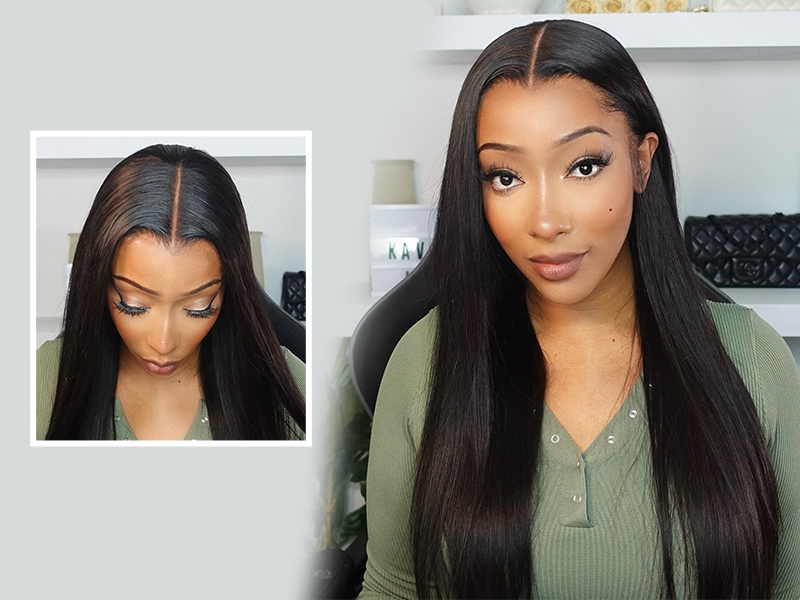
l Silk Straight: East Asian exclusive ultra-fine diameter straight hair, low natural luster, soft touch, specially optimized for oriental scalp characteristics and minimalist daily grooming
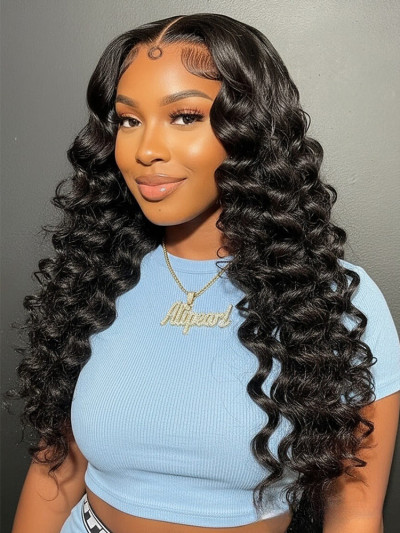
l Body Wave: Large-spaced soft lazy waves, low styling difficulty, strong inclusiveness for different face shapes, the second-largest selling universal texture after Silk Straight
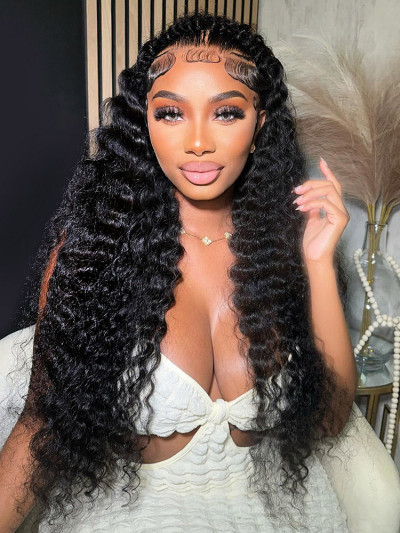
l Loose Deep: Extended optimized version of deep wave with larger curl spacing and lighter bulk, targeting young consumer groups pursuing lightweight romantic styling.
4. Four-Tier Quality System
l Entry Remy Tier ($120–$350): Cuticle-aligned non-virgin Remy human hair, sorted and reorganized from multiple donor raw materials. Adopts fully machine-woven weft cap, basic transparent lace front, standard single-tone natural black, no advanced knot bleaching. Effective lifespan 12–18 months. Positioned for student beginners, temporary daily wear and low-budget bulk orders, with cost performance as the core advantage.
l Mid-Range Virgin Tier ($350–$800): 100% unprocessed multi-donor virgin human hair, complete original cuticle without secondary chemical treatment. Equipped with 13×4 HD invisible lace front, professionally pre-packed gradient baby hair, medium-level bleached invisible knots, standard 150% balanced density. Lifespan 2–3 years. This is the market mainstream best-selling tier, balancing invisibility, durability and price.
l Premium Full Lace Tier ($800–$2,000): Fully hand-tied ultra-thin full HD lace cap, supporting 360° arbitrary parting and reverse styling. Built-in medical-grade hypoallergenic breathable mesh base, customization density distribution and curl depth. Double-bleached invisible knots eliminate black dot exposure. Mainly supplied to especial patients, long-duration professional wearers and high-end salon customized orders.
l Luxury Single-Donor Custom Tier ($2,000+): Hand-screened single-donor virgin human hair, consistent hair diameter and cuticle direction from root to tip. 360° Kano-thin invisible lace, personalized head circumference 3D fitting, bionic random baby hair distribution, religious-compliant fully closed cap structure. Exclusively provided for Orthodox Jewish sheitel, celebrity editorial styling and top-tier medical rehabilitation customized projects.
5. DISTRIBUTION CHANNELS
Channel profit differentiation is obvious, dominated by online high-margin channels:
l DTC Independent Sites & Social Commerce (58% sales, highest margin): Core high-value channel. Brands rely on Ticktock/Instagram short videos for texture restoration display, before/after invisible fusion comparison, and long-term durability test content to drive precise conversion. User traffic is highly vertical with low invalid click rate, achieving gross margin of 50%–58%. Suitable for mid-range to luxury virgin and customized SKU layout.
l Cross-Border E-Commerce Platforms (27% sales): Amazon, Ali Express, SHEIN as core carriers, dominated by entry Re my and standard mid-range virgin spot Skews. Features fierce homogeneous price competition, algorithm-driven ranking mechanism, strict review and ATO risk control. Gross margin controlled at 25%–35%; standardized parameter labeling and negative review management are core operational barriers.
l Offline Medical & Ethnic Boutiques (12% sales): Providing one-stop services including on-site head circumference 3D measurement, knot invisible secondary processing, professional styling fitting, and medical insurance settlement agency. High unit price and user stickiness, repurchase rate exceeding 65%. Restricted by physical store coverage radius, overall market share is limited.
l Physical Beauty Supply Stores (3% sales): Traditional offline retail channel, mainly distributing entry-level Re my spot goods for local immediate consumption. Low gross profit, single product structure, no cross-border logistics and brand expansion potential, only serving regional supplementary demand.
l Salon B2B Wholesale Channel (Embedded volume channel): Excluded from statistical proportion, serving offline hairdressing salons for customer secondary styling and replacement supply, characterized by large batch quantity and long order cycle.

6. CORE GROWTH DRIVERS & MARKET GAPS
6.1 Key Growth Drivers
l Rising ethnic aesthetic & material identification awareness: After long-term social media education, core ethnic consumers have formed professional identification capabilities for cuticle integrity, hair origin and processing technology. They actively reject silicone-coated fake virgin hair and low-grade synthetic substitutes, forming rigid demand for genuine natural black human hair products.
l Global medical insurance policy expansion: The U.S. CMS and EU health authorities continuously optimize cranial prosthesis reimbursement clauses, simplifying brand filing and user claim procedures. More permanent especial patients convert from cheap synthetic wigs to insured medical-grade black human hair products, driving steady incremental growth.
l Vertical social media knowledge dissemination: Ticktock and YouTube vertical beauty Cols popularize cuticle distinction methods, long-term curl retention comparison, and anti-tangle maintenance knowledge, eliminating user information asymmetry and accelerating high-quality product iteration.
l Global aging population & especial prevalence growth: Global middle-aged population expansion increases the incidence of androgenic especial and senile gray hair thinning. Natural black human hair wigs become the preferred low-damage grooming solution, forming basic rigid market demand.
l Chang industrial cluster supply chain stabilization: The world’s core human hair processing base forms standardized raw hair sorting, decontamination, cuticle reorganization and fixed-length cutting production lines, stabilizing natural black raw material supply and reducing industrial cost volatility.
l Anti-damage protective styling trend: African American professional hairdressers advocate reducing frequent thermal perm and chemical dyeing of native hair, pushing black human hair wigs as the mainstream protective styling carrier, further stimulating annual replacement demand.
6.2 Under served Market Gaps
l Mid-price hypoallergenic lightweight medical SKU vacancy: Existing medical-grade products are overpriced and targeted at high-end groups, while entry products lack EU/US skin contact allergy certification. The affordable lightweight medical track for sensitive scalp users is completely blank.
l Insufficient male-oriented segmented products: The market is dominated by long female ethnic texture styles; short Paki straight men’s wigs and crown thinning supplementary units have low competition, low saturation and huge incremental space.
l Chaotic virgin/single-donor labeling standards: A large number of small and medium sellers falsely label Re my multi-donor hair as single-donor virgin hair, lacking unified industry test criteria, causing consumer trust crises and frequent return disputes.
l Low penetration of EU-compliant sustainable products: Recycled human hair decontamination and reprocessing technology is mature, but few brands launch Accomplishment Eco-Skews, missing the EU carbon tax and green supply chain policy dividend window.
l Lack of summer-specific ultra-light density series: Most stock products adopt standard 150% density; ultra-thin Kano-mesh + 120% lightweight density black human hair wigs for high-temperature summer scenarios are in short supply.
l Underdeveloped pre-pay blended natural black products: There is a lack of natural black wigs with fine gray hair gradient matching middle-aged users’ native mixed gray hair, unable to meet the aging population’s invisible coverage demand.
7. FUTURE TRENDS & STRATEGIC RECOMMENDATIONS
7.1 2025–2030 Industry Trends
l Bionic hairline & micro-gradient density refinement: Ultra-fine simulated broken baby hair and irregular hair growth trajectory technology are popularized; root-to-tip micro density gradient eliminates rigid hairline boundaries, achieving invisible effect under 4K high-definition camera shooting.
l Anon lightweight cap base iteration: Traditional thick warp-knitted mesh is replaced by Kano-level ultra-thin medical breathable mesh, reducing overall wig weight by 15%–20%. Zero-pressure ergonomic cap arch design becomes standard configuration for all mid-range and above products.
l AI scalp & texture intelligent matching: DTC brands deploy AI scalp detection algorithms; users upload native hair photos and head circumference data, the system automatically recommends texture, density and lace type, reducing industry overall return rate by over 20%.
l Circular sustainable material upgrading: Professionally disinfected, sorted and reprocessed recycled human hair replaces 15%–20% of low-end virgin raw materials, reducing carbon emissions and fully complying with EU CSRD and carbon border adjustment mechanisms.
l Anon cuticle sealing anti-tangle technology: Environmentally friendly non-silicone Kano-coating seals cuticle gaps, reducing long-term friction tangling between hair strands and clothing, extending product service life by more than 30% without causing plastic dullness.
l AR real-scene try-on popularization: Embedded AR modules on independent sites simulate wearing effects under sunlight, office cold light and indoor warm light, helping users judge texture and luster before purchase, further lowering decision threshold.
7.2 Concise Strategic Advice
l For upstream manufacturers: Focus on deep process optimization of Paki/kinky core ethnic texture to ensure curl memory and shrinkage rate consistency between batches. Establish three-level grading testing standards for virgin/Re my/fallen hair, print unified labels to eliminate false promotion disputes. Prioritize Anon lightweight mesh production lines to seize summer lightweight product incremental demand.
l For cross-border platform sellers: Vertically layout ethnic texture content on Ticktock, focusing on real-person wearing fusion effect and 3–6 month long-term durability test videos. Prioritize stocking mid-range 13×6 HD lace front Skews with the highest cost performance; launch limited lightweight summer editions to boost seasonal conversion and reduce inventory pressure.
l For DTC independent site brands: Build differentiated competitive barriers through full-series medical-grade hypoallergenic certification and male short texture segmented product lines. Launch recycled material Eco-Skews to comply with EU green policies. Establish user scalp file system, push personalized maintenance guides to improve repurchase rate and user lifetime value.
l For medical & salon suppliers: Cooperate with dermatology institutions to jointly promote scalp-friendly wearing guidelines, obtain official medical insurance filing qualifications, and focus on customized gray-blended black human hair wigs to capture middle-aged aging demand.
REFERENCES
1. Euro monitor International. (2025). Global Human Hair Goods Market Report. London: Euro monitor.
2. International Hair Goods Association. (2025). Human Hair Classification & Quality Standard. London: IHGA Press.
3. Batista. (2025). Ethnic Hair Product Consumption Data. Hamburg: Batista.
4. Wig Industry Standards Council. (2025). Medical Scalp Prosthesis Compliance Specification. Chicago: WISC.
5. Market Research Future. (2026). Global Hair Wig Market Segmentation Report: Material, Texture & End-User Analysis. New York: MRF Publishing.
6. Future Market Insights. (2026). Hair Enhancement Products Annual Review: Medical & Fashion Sector Trends. London: FMI Research.
7. Global Industry Analysts. (2025). Wigs and Hairpieces Global Strategic Business Report. San Jose: GII Official Publication.
8. Mordred Intelligence. (2025). Human Hair Wig Supply Chain & Regional Profit Margin Analysis. Hyderabad: Mordred Intelligence Press.
9. Ariz ton Advisory & Intelligence. (2024). Hair Wigs & Extensions Focused Industry Insights 2024–2029. Chicago: Ariz ton Research Group.
10. Journal of Cosmetic Science & Beauty Technology. (2024). Cuticle Integrity Impact on Human Hair Wig Durability. Zurich: Academic Beauty Press.
11. GB/T 23170-2019. National Standard for Wig Headgear and Hair Accessories. Beijing: China National Technical Committee for Textile Standardization.
12. EU REACH Regulation (EC 1907/2006). (2025 Updated).SVHC Restriction Standards for Scalp Contact Textiles. Brussels: European Chemicals Agency.
13. Fortune Business Insights. (2026). Global Hair Wig Market Forecast Report 2026–2034. Dune: Fortune Business Insights.
14. Professional Beauty Research Institute. (2024). Ethnic Hair Texture Matching & Manufacturing Process Optimization. Los Angeles: PBRI Academic Division.
15. American Academy of Dermatology. (2025). Prevalence of especial & Hair Loss Among Ethnic Populations. Illinois: AAD Official Journal.
16. Chang Hair Industry Research Institute. (2025). Natural Black Human Hair Raw Material Supply Chain White Paper. Chang: China Hair Industry Cluster Publication.
17. UKCA Textile Compliance Guidance. (2025). Hair Goods Product Access Rules for British Market. London: UK Department for Business & Trade.
18. Ticktock For Business. (2025). Ethnic Beauty Content Ecosystem & Consumer Conversion Report. Los Angeles: Ticktock Global Marketing Team.
19. IHGA. (2025). Cuticle Testing & Virgin Hair Authentication Guidelines. London: International Hair Goods Association.
20. OECD. (2024). Sustainable Textile Supply Chain Report for Hair Products. Paris: OECD Sustainable Manufacturing Division.




 Sign In With Google
 Sign In With Facebook